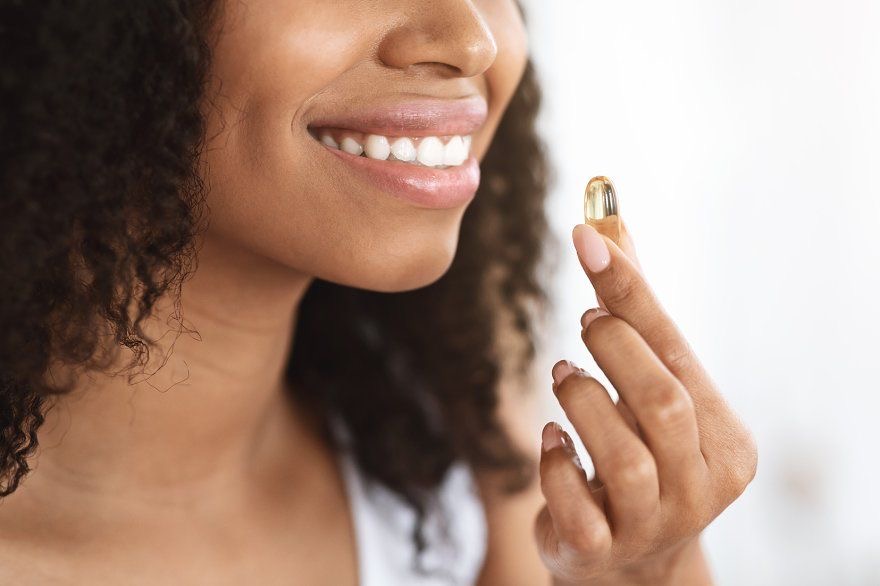
Supplements are not new. Your mother probably had a bottle of something in her bedside table: Emzor cod liver oil, multivitamins from the chemist, calcium tablets, or that local herb your aunt sprinkles on her food. Your grandmother probably had her own version, too, just without the pastel branding and the TikTok cute bottles.
The concept of using supplements to boost your health is not new and, in fact, is recommended to meet nutritional needs you may not be getting from your food.
What is new, however, is the trend around it. The aesthetic.
Wellness has had a full rebrand for Gen Z and millennials, and it looks nothing like what you would expect: eating healthy, sleeping more, adding more vegetables to the diet, and exercising.
Instead, it looks like an evening Pilates class, a matcha latte, padel on Saturday, a cute matching set, and a smoothie bowl afterward, with loads of pills and aesthetic drinks in insulated, pastel-coloured water bottles.

Let’s do a quick check to test this. Grab your phone. Type “wellness” into TikTok or Instagram. Within the first five scrolls, someone is recommending something to you. Magnesium for sleep. Collagen for glowing skin. Ashwagandha for cortisol. Beef liver capsules (why?), because apparently that is what we’re doing now.
The numbers back this up. The global dietary supplements market was valued at over $200 billion in 2024, and is projected to nearly double to $435 billion by 2034.
To understand what this new wellness wave is actually doing to people in terms of supplements, I spoke with Dr. Lola Orioke of Marple Health Consult, a doctor with over four years of active practice and a focus on public health. She described how supplement use has become a pattern, one that far too many of us are caught up in.

The New Wellness Aesthetic
To understand why supplement culture has taken on new intensity among younger generations, you have to understand what “wellness” means to them, because it has stopped being about health in any functional sense and has started being about a look, a personality. You may not want to admit it, but even you found yourself scrolling down those pages late at night, wondering how to level up.

The influencer pipeline took this to a whole other level, with brands paying international and local influencers to endorse their products. A wellness creator posts their morning routine and credits expensive supplements they have been taking because “you guys have been asking,” and she makes sure to tag the link in her bio, with her discount code as well. You might not get it immediately because of certain factors, but if it were right in front of you, you would take the bait, because the life they’re selling looks like one you want.
Without mentioning names, how many of your favourite influencers have promoted a particular supplement for you? And then you think, “Once I have money, I will get this, too.”
In Nigeria, the supplement economy moves through two channels. The first is the common everyday one you encounter: WhatsApp statuses from that girl who sells it all, that one pharmacist you go to for pain meds that’s always trying to recommend you something to help you “shine,” and that aunt that always visits you with new tablets and lotions to maintain your colour.
The second is more insidious because you don’t know when it gets to you: the subtle ads. You see them so often, you don’t realise that a message is being sent to you to buy these products. From the carefully incorporated product placements in influencer videos to the multiple billboards you pass, the ads between news shows, and the worst of all, those dancing videos that pop up between your TikTok scrolls.
These two channels are effective in very different ways, but they ultimately lead you to think about these products. And once you start thinking, the purchasing decision is almost made.
The Illusion of Harmlessness
Part of what makes the trend so easy to fall into is how supplements are designed to look and feel. Prescription drugs come in white pharmacy bags with serious warnings and clinical handwriting, but supplements come in cute bottles. Pink capsules. Gummy bears.
No one calls them drugs either online or offline. You can walk into a pharmacy and take them off the shelf without a prescription or a consultation. So they don’t feel serious. They feel like a choice you are allowed to make freely, without medical input.

As she explains, “People are not cautious. They just feel like it’s harmless. Like, it’s just a vitamin, so it can’t do any damage.” As the Aproko doctor says, ” You pee expensive urine.”
The worst-case scenario is just that you pee it out, but that’s half the truth.
They are still active compounds that alter the body’s processes. They can cause side effects and, most importantly, add up in ways that are not immediately visible. Dr. Lola says your body has a daily limit for each supplement, and it does not need more than that. When you consistently exceed it, the excess begins to pile up, and this is where things quietly go wrong.
Personally, I learned this the hard way. I started taking multivitamins in my early teens because I was slim and wanted to add weight the right way. At first, it felt harmless; my appetite picked up, and I could see myself gaining said weight. But over time, I began to notice changes. I was constantly bloated after eating, always drowsy, and never quite felt okay. My periods became irregular, and I struggled with digestive issues, persistent stomach cramps, and bloating became part of my routine.
Eventually, I had to step back and stop taking the supplements altogether, as I wasn’t even seeing the benefits. I always felt full; my face was always puffy. What was the point? It took a long time for me to recover and actually feel like me again.
Dr. Lola has seen similar patterns in her practice. A male patient of hers once came in complaining of intense two-week headaches. Upon a full body check, they figured out his blood pressure was extremely high. When she asked him what diet changes he had made, he revealed that his wife had bought him some products to help him slim down. When he stopped taking them, his blood pressure began to normalise.
All this shows that, no matter the dosage, supplements can quietly interfere with your body’s balance. Excess vitamins and compounds can accumulate, affecting your digestion, energy levels, and hormonal cycles, and can take weeks or months to resolve after you stop.
Read More: What Stage Of Your Cycle Are You In? A Girl’s Guide to Understanding Your Body, Mood, And Energy
The Problem With Stacking
It starts off innocently. One supplement for your skin. Another for your hair. One more for digestion. A final one for sleep. These feel like separate problems, so four different products feel like a reasonable solution, don’t they?
Wrong. What most people don’t realise is that many of these products contain overlapping compounds.
Dr. Lola saw this happen directly: “A patient once came in for consultation and brought three different products she had been taking. When I checked them, they all contained the same supplement. She was overdosing, and she had no idea.”
Some vitamins are water-soluble, like vitamin C and most B vitamins, meaning they can’t harm you as any excess amounts are flushed out through urine. These are generally non-toxic when overconsumed. Fat-soluble vitamins, however, are a different story. Vitamins like A, D, E, and K are stored in the body’s fatty tissue and liver, not excreted daily, and can accumulate in your organs. Dr. Lola warns that they can build up over three to six months, and the more you take, the higher your toxicity risk climbs.
Another quiet danger with supplements is drug-to-drug interaction. When compounds already built up in your body from over-supplementation interact with a new medication prescribed by a doctor for an illness, they can reduce the medication’s efficacy or, in more serious cases, increase risks such as bleeding or elevated blood pressure.
Vitamin E, for instance, has documented interactions with certain medications that raise serious bleeding risks. Supplements that contain stimulants like caffeine can also directly affect heart function and blood pressure when you consume them long-term.
The organ bearing the weight of all of this is the kidneys. As Dr. Lola puts it, “The kidneys are responsible for clearing many of the things we ingest. When the load becomes too much, they can get overwhelmed.” In the most extreme case she has seen, a patient who was already on heavy supplements added traditional herbs to the mix, believing it would boost efficacy. Their body could not manage the combined weight of the interactions. They ended up having to undergo dialysis.
The Real Pressures Driving This
It would be very easy to act as if the pressure to consume these supplements is only driven by vanity. But it is much more serious than that. The pressures pushing young people toward supplement culture are real, layered, and worth taking seriously.
For women, there’s an added biological factor: the body naturally loses collagen every year, with a significant decline after menopause, which contributes to signs of aging such as skin sagging, wrinkles, and joint changes. This results in the consumption of collagen artificially to supplement what is being lost; a health-backed reason for supplementing in this case.
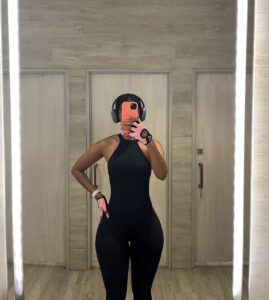
There is also a quiet but persistent pressure from social media. Everyone seems perfect online with toned abs, skinny arms, clear skin, and hourglass figures, and over time, this can affect your self-esteem. But the perfection these creators often present as the result of healthy living, good supplements, and fitness routines can be misleading.
It’s important to acknowledge that filters, editing, cosmetic procedures, and strategic presentation are often used to create and maintain this perfect facade. While some people may genuinely look this perfect in real life, you have to understand that the majority of what is presented on social media is not reality.
Read More: Tradeoffs My Body Has Made Since Turning 25
Another one to acknowledge is how hard it is to stay healthy. The realities of everyday life make original wellness practices extremely difficult to sustain. Eating balanced meals, maintaining a consistent fitness routine, and getting adequate rest all require time, stability, and financial flexibility, resources not everyone has. For instance, I have been meaning to start my gym journey because I can feel myself slipping fitness-wise, but my workdays run from 8 am to 8 pm, and there’s simply no time for me to begin.
In our dear country, Nigeria, where everything is expensive and systems are broken, the ideal version of wellness is very inaccessible. Dr. Lola, a young professional navigating Lagos herself, understands this too well: “The economy is not smiling. But a lot of the money and energy we spend on supplements could be redirected into healthier living practices.”
Healthy food is expensive in Nigeria. Gym memberships are a luxury. The roads at night are not safe enough for runs. Hospital checkups carry a cost that most people pay out of pocket, with no insurance or subsidised options. In this environment, supplements can feel like a practical, affordable form of control. A way to do something when doing the full thing is impossible. As Dr. Lola says, the problem is that when these supplements become a substitute for taking care of yourself, they replace the actual work of practicing wellness.
For what it’s worth, we also have options closer to home than most people realise. Nigerian foods rich in natural probiotics for gut health include ogi, kunu, palm wine, and fufu. Our soups and stews are also rich in nutrients and, when adapted, can be healthy, calorie-deficient meals.
What This Trend Actually Comes Down To
At the root of all of the wellness craze, Dr. Lola identifies something honest and very human: fear.
“We are all looking for quicker shortcuts to get the most out of life. Nobody wants to age. Nobody wants to die. But we’re not ready to put in the work required to stay healthy.”
Supplement culture, in all its forms, from your grandmother’s cod liver oil to your favourite creator’s Nutrify morning routine, has always been a response to that fear. What has changed is the companies’ drive for profit, appearance-driven needs, and influencer marketing. These days, yes, the branding is better. The distribution is faster. The community around it is more compelling, but it is still driven by fear and by a desire to feel, look, and be better.
But they should still not be a substitute for the hard work healthy living actually requires.
So before you add the next thing to your stack, Dr. Lola suggests a few honest questions to ask yourself: Are you eating balanced meals? Are you genuinely deficient in what this supplement claims to address, or are you buying it for how it makes your morning routine look? Are you even getting enough sleep?
The truth is, you may not need these supplements, and you’re better off spending that money on improving your diet. And before you start taking supplements, be sure to speak to your doctor first because you can end up causing serious medical complications for yourself while trying to be healthier.
Read More: The Truth About Calorie Deficits and Why Diet Culture Gets It Wrong