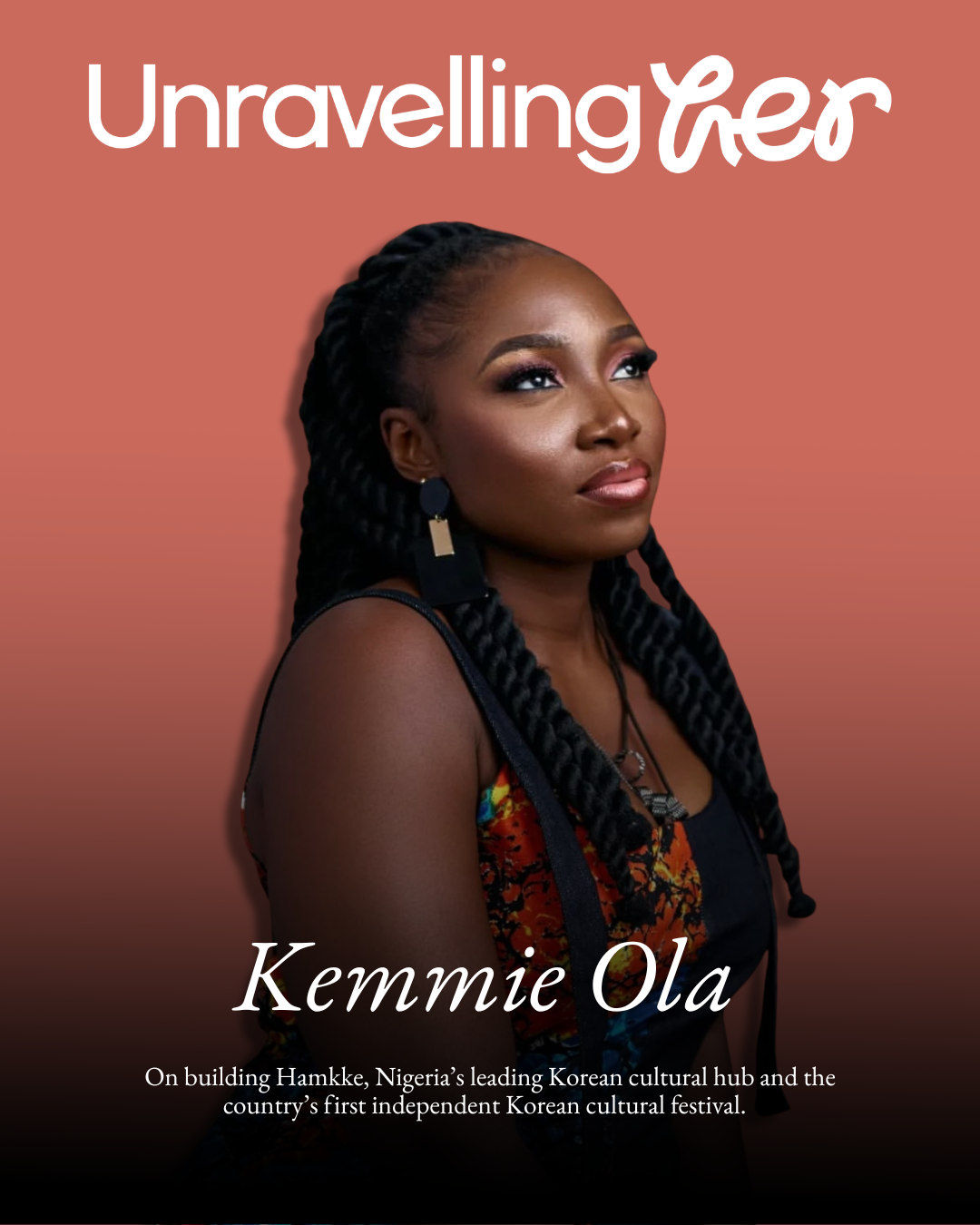
There is a particular kind of person who cannot love something quietly. They find something beautiful, fall completely, and then almost immediately start looking around for other people who feel the same way. Not because they need validation, but because the love is too large to keep to themselves. It has to go somewhere.
Kemi Olamikanra is that person.
She is self-taught, deeply curious, and constitutionally incapable of doing anything halfway. She watched, she learned, and then she built something nobody else thought to build, for a community that had been waiting for exactly this across Africa and Asia.
What started as a personal obsession with the South Korean language and culture has, over the course of a decade, become something far more significant. She is the founder of Hamkke, Nigeria’s leading online hub for South Korean-language and culture enthusiasts.
Alongside it, she serves as the creative director of K-Vibe, Nigeria’s first independent South Korean cultural festival, which launched in 2022 with a crowd no one expected. She has since grown it into one of the most anticipated cultural events in Lagos, drawing over thousands of attendees annually, earning coverage in The Nation and Tribune, and securing formal partnerships with Korean government organisations across Asia.
She has been on television. She has been in the room with Korean ambassadors. She has built a verified community of thousands of people around something that, not long ago, the people around her told her was a waste of time.
And she is only just getting started.
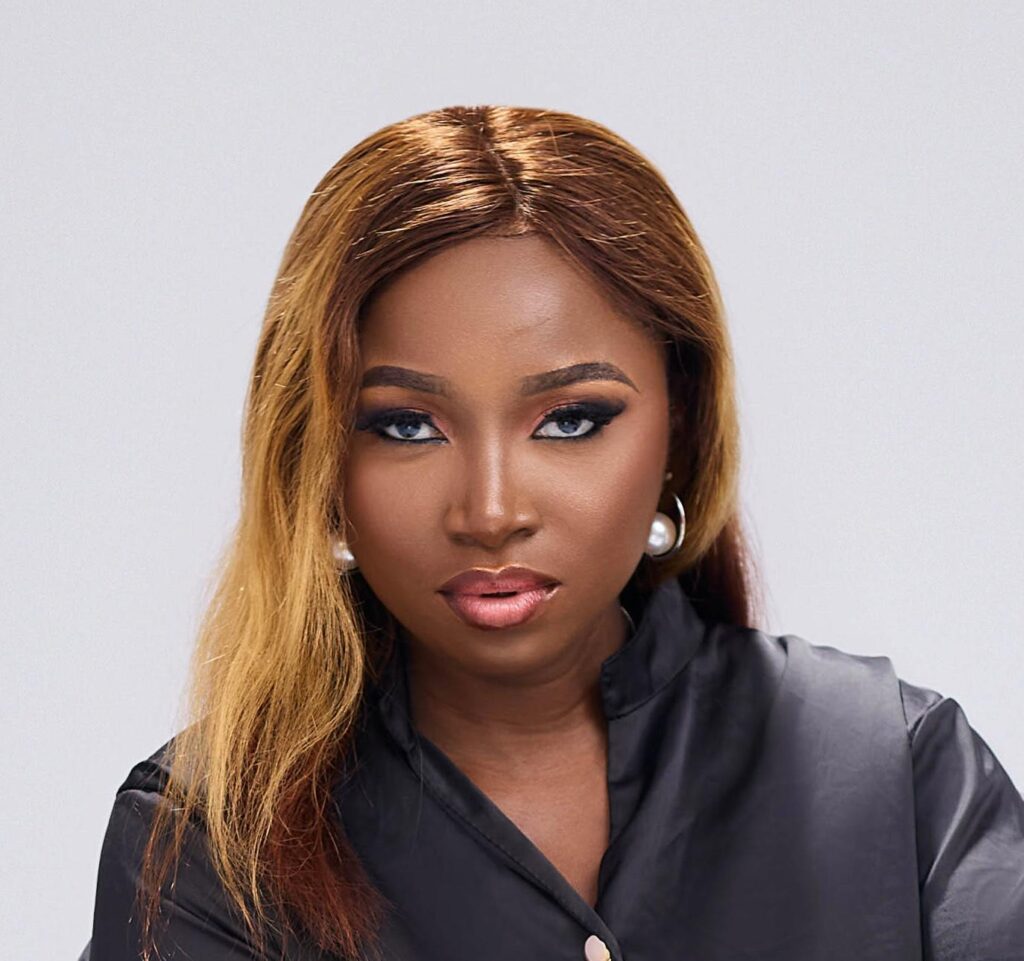
Take me back. Who were you before any of this? Like, the Kemmie nobody outside your house knew.
I was the artsy recluse. I used to draw, I was in the choir and drama club, so I always had something to rehearse. And I read a whole lot. I mean, I was one of those people who would hide novels in the middle of textbooks. As long as that was happening, I didn’t have to go out to read or even eat if I was reading a book. I think it still happens today; if I’m reading, writing, or creating something, I’d genuinely forget to eat.
I started out being talkative, but I think as I grew into my passions and habits, I became less talkative unless I was around close friends and family. So it was just me, my books, writing, and drawing as a kid.
Haha! I understand that completely. I used to get punished a lot for reading novels as a kid myself. What’s the thing you were into before South Korea that people would be surprised by?
I was really into books, but if I had to pick something else that really fascinated me, it would be plants. I love plants. I used to do them as a child, you know, those science projects?
Yeah, the agricultural science where they give you a list of plants to find and collate in a book with their scientific names, right?
Exactly, it was something I used to love so much, and today I have plants of my own. I think the other thing would be drawing, I drew a lot, even now I have a sketchbook. Whenever time allows, I sketch now, but not as much as before. In fact, I used to handmake comic books.
Wow, that’s crazy!!
Yes, I would write the story, and then sketch out the characters, I mean, not at a professional level, but I was really good at it.
That’s amazing, impressive, really. So how did Korea happen? Like, walk me through the actual moment. Because there’s always a moment to inspire this much passion.
I have shared this many times, but every time I share it, I just find it so funny. My mom used to like watching Korean shows a lot, shows like Jumong, and she was crazy about them. I know it might be surprising, but I did not like them, like I was the “We can’t do anything better, mother?”
Now, that’s surprising!
I was that sarcastic child, and I was very obvious in my dislike. Until one day, this is the funny part, which makes me laugh/ cringe to share. Then, I was in the church choir, and there was this boy in the choir who asked me out, and I was like, ” No.” So he gave me “Boys before flowers” on a CD to watch, saying that the reason it’s so easy for you to say no after all my effort is that you don’t understand love.
Haha! That’s so romantic!
He was like, ” Watch it, when you do, you’re going to understand love.” It was a Sunday, and I decided to humor him. Because it was Korean, my Mom was definitely up for it.
Before “Boys Before Flowers,” I had never seen that concept played out like that before, where there’s this spoiled brat, like it’s the same Cinderella story. But this time around, Cinderella is a no-nonsense girl, and she doesn’t send anybody, so to speak.
I didn’t sleep through the night until the last episode.
That’s over 16 hours!
It’s more than that, over 20 episodes, I believe. I was just there overnight, I’d pause for a bit just to use the restroom or get food, but I was hooked. Sadly, the last episode had no subtitles, and while I watched and was able to figure out a few things from the screen, it’s not the same as knowing exactly what was said. Anyway, I ran to the movie places around my area that sold Movie CDs and bought one, but it had no subtitles either. The frustration was so much that I was like I need to learn this language.
So, because I liked the Actor, Lee Min Ho, I decided to check out his other dramas, and then I started following up with the soundtracks. I’m one of those people who cries to songs, like when the song is really good, I would just start crying. I think one of the OSTs, one of the soundtracks, was so good that it, like, made me cry, and I wanted to know the meaning of the songs. And so I started trying to translate songs, discovering more songs and understanding, and it built up from there.
At the time, I was very into my poetry bag, feeling like a poet, so I started attempting to write in the language with Google Translate. So I was like, let’s just learn this seriously, and yes, it grew from there.
Now, that’s some story. At what level would you say you speak Korean, like native or professional?
I would say intermediate level.

Awesome. When you were learning the language, did you share this with anyone, or were you quiet about it?
When I first started learning, it was the excitement of knowing something new that most people didn’t. And when they say, eomma, I’d be excited because I know what that means. As I got more serious about learning it, this was around 2015/2016, I was out of university, and this was the time when I was supposed to be serious with my life. People were like you’re trying to learn this language, you’re doing too much. At some point, when I was still very much excited and learning the language, it became more private.
Yeah, that’s something that happens in Nigerian spaces when you love something considered “foreign.” The dismissal. The “why are girls obsessed with Lee Min Ho?” So apart from keeping it more private. How did you handle that? Is there something specific you did?
It was definitely not the gender thing for me. I think most people who heard about me learning Korean were more like, “Why not French? Or even Chinese? What do you plan to do with Korean?” It was a constant question. The only difference is that I’m now used to it, and maybe I have outgrown it.
And I think that’s how Hamkke started, or the bedrock for it. Rather than staying quiet, I went online. I started using apps to try to get used to listening to South Koreans speak. I was learning the language, but I didn’t have anyone to try it out with. I think to date that’s still a big problem. I started trying to make friends with native South Koreans and chatting with them. I started writing about it online, and then I started meeting people in South Korea who were also learning.
It was a major discovery for me to find people who were so excited and interested in these, and they didn’t think it was weird. It was like finding my people.
I understand the “finding my people feeling”. At what point did it shift from “I want to find my people” to “I want to create a safe space for people to connect and build a community”?
This was in 2019, I think. I had an extra account; my Korean name was chumchuneun siin, which means “dancing poet.” I was a dancer at the time, and a poet, so the name just felt right. I started to upload the poems I talked about earlier, and the page started growing, you know. I made South Korean friends who were now giving me feedback and correcting me on pronunciation and delivery, and I could chat with them more frequently.
I am very loud about my faith, so I even found South Korean Christian friends, and we started doing bible study together. And I remember one day, someone suggested having a place for people who like the things I do, where I can talk about them with them, gist, and practice with them. But I completely dismissed this, because I was like, yeah, right in Nigeria. I moved on, but then I started getting DMs from people in Nigeria, asking, “How did you learn to write Korean? How did you learn to speak Korean?” Then, I started making videos about how to do that as well.
Then came the pandemic, and I was like I am going to take it even more seriously. There are Korean programs for foreigners to learn and spread their culture. There was a particular creator program, K-Influencer, I think, where you were picked to create content to promote the Korean culture in your country. It could be weekly, monthly, and stuff like that, and I was picked.
Congratulations.
When I joined that program, I met a lot more people like me, and it felt like it was growing beyond me. I started using my 2nd name, Dara, because Koreans always pronounced Kemi with a funny lilt, and there was already an artist in Korea named Dara. So I would be like, Hi, I am Darasimi, but you can call me Dara. That’s how it started: I started building a community with that identity. And that’s what Hamkee, meaning “together,” is all about: building a community. So I started posting videos on how to pronounce certain words and other lessons, which took off and got pretty encouraging responses.
And what about from the other side, Koreans discovering that Nigerians are this deeply invested. Is that energy always welcome?
At the beginning, when I was still all over the place and trying to chat them up, it was instant fascination or disbelief at my interest. And in 2-3 months, I learned how to introduce myself better, saying, “Hi, I am Dara from Nigeria, learning how to speak Korean, I would like to practice more, I speak English, so I could also teach you.” I would send that message in Korean.
That’s super smart, offering something of value!
Exactly. However, Koreans prefer learning English with an American or British accent, so they really didn’t want to pick up our Nigerian accent. But that was the opening for me, and they’d sometimes respond negatively to learning English, but they mostly spoke to me in Korean, which improved my skills.
From there, I started learning more about the culture, and I know it shocks them when they find out I have not been to Korea yet and still know specifics about their culture. I think it definitely makes them more welcoming. I would say I have mostly enjoyed my experience with them, and they have been accommodating.
In fact, I have had a Korean teacher buy me books, in Korean, of course, to make it easier to learn the language. Most of my Korean friends love to give me books, especially given my love of reading. The warmth from the community has been super encouraging.
Okay, that’s cool. I mean, I would have loved food more than the books, but that’s amazing.
No, no, that’s different. I mean, in South Korea, it’s a regular show of love and not considered much of a gift. It’s “let’s hang out”, “come to my house for lunch”, an older woman packing a small box for you and saying, “You have to take this.” It’s a part of their culture, almost a given, and in fact, I’ve had the opportunity to try several snacks and more without having to travel because of this.
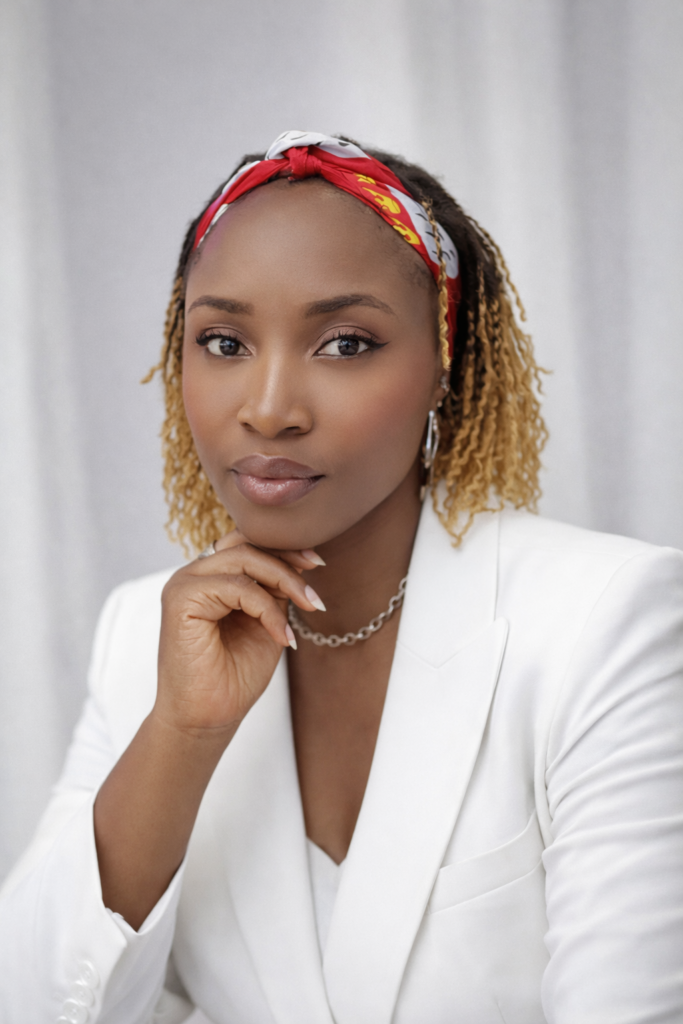
Speaking of culture, how much of this do you think is flowing back to South Korea from Nigeria? There’s the significant case of TirTir Cosmetics, where a Black American creator called them out for not having more shades, and they added more shades and became a significant symbol of inclusivity in makeup brands. But more specifically to Nigeria, has there been an exchange of culture?
While being as patriotic as possible, I would say Nigeria does not have the best reputation in international circles because of stereotypes of scams and more. However, in terms of cultural exchange, I would say there’s growing respect for who we are, and that more Nigerians are living and working in Asian countries without fear of these stereotypes, as we are being considered more positively.
The exchange might not be as equal, but South Koreans in Nigeria are learning and speaking languages such as Yoruba. There’s also a South Korean cultural centre here where the government organizations are dedicated to facilitating this exchange. But we are still doing more importing than exporting. It takes some time, but I expect this will grow more.
In fact, there is a South Korean artist, Sillymusic, and another artist, Para (Song Min Uk), in Abuja who incorporate Afrobeat into their music.
Speaking of cultural exchange, the Korean movie My Sunshine, while appreciated by some, faced significant backlash. Would you say it’s because Nigerians are not ready, or is there something else that could have been done to achieve better results?
Oh, yeah. I definitely saw that. In fact, at two of our previous events, we worked with the movie’s creator, and I thought it was great. I think the criticism was about language pronunciation, which I think even I myself, when speaking Korean, still have a little of my Yoruba accent, but you will definitely hear what I am saying.
I think the idea was to respect and celebrate the culture, and I think that was achieved. I believe she got a nod from the South Korean community itself. I think the disconnect is similar to how it feels when you see a white person speak Yoruba. I guess for me, it’s an A for effort, but some people might feel unsettled by it because it’s not perfect.
So, do you think that’s why the book, “Amala Versus Kimchi by J.M. Ikeji, was better received because it was text and not necessary speaking?
It’s a book on my TBR, definitely! I think it’s how if a European person says they want to make a Yoruba movie, you’d be shocked. The accent delivery might not be it. I honestly loved the Korean movie on my end because, I mean, so many actors’ deliveries in Korean were amazing. I may be biased, but I think it was a great attempt, and I think the next project would be even more amazing. I also think there was a lot of focus on giving feedback more than appreciating the art itself.
Appreciate the insights. What was the very first version of Hamkke? Like before, it looked like the current structure. Today, it’s not just an IG page or website; it’s a culture hub focused on educating and building a community that celebrates it.
It was just me trying to make sure that I uploaded a Korean lesson thing every day. And then I started making videos on TikTok and Instagram referencing my favourite movies and music, and it got a lot of traffic. My first foray into social media was in 2010/11, when I had a WordPress page called Kayla Tee. My mom used to call me Kayla at one point, and TT when I was younger, so that was a mashup of the two. I am not even sure if the WordPress page is still up.
So I thought I might explore blogging for Hamkke since I had done this before. I mean, I had written stories, series, poems, and it was just me going back to what was familiar. At this point, I was already teaching people Korean for a small fee. So I started working and building this, and then I went into corporate, where we both met.
True!
Then, I moved on to creating a proper website, setting up a system, setting up our socials properly, getting people to write articles, and helping with social media. I think the best part of this has been people referencing Hamkke as a resource or hub for learning more about South Korean culture. That means anyone out there looking to learn or be entertained can easily find the website.
How did you manage funding, considering it grew from a passion project to an entire organization, and how do you do that today?
It’s been a couple of years now, but officially, the blog started in 2019 and became a full-scale website in 2023. It’s been funded mostly out of pocket; the only thing that has improved over the last 3 years is that some money now trickles in from various sources. I wouldn’t say it’s the most solid income yet, as there’s a lot of cost to running and managing the organization.
I think one of the hardest parts of running the business was having to tell everyone working under me that, at some point, I couldn’t afford the monthly salaries due to business costs. I think being honest with it helped, as I found just how much people working with me were also driven by passion, and they have stuck with me during the tough times, so to speak.
But I think one of the things that keeps me connected to the business is, you check Google Analytics, and then you see the search results, and see how much traffic you have gotten, and that keeps you grounded and convinced about the project. I think we have a long way to go in terms of yield, and we are happy to work with that. But we have experienced so much work, I mean, worked with organizations, gotten sponsorships, et all. Major collaborations. We’ve had students, and now, I mean, I had a mom bring her 6 to 8-month-old at one point to say she wanted to pay me so that the child would grow up speaking Korean fluently. That’s amazing, so yes, it’s very much still self-funded, but the financial yields that make it so much more than passion have their moments.
So in those moments when we are struggling financially, and that feedback comes, it erases the self-doubt about “Should I just shut everything down?”
That’s reassuring. Tell me about the first K-Vibe event. How did that come about, the wins, the struggles, everything?
In 2021, I got a DM on Instagram from a lady who introduced herself as Ore. She shared that she’d been following the page for a while and had noticed a love for South Korean culture. She said she wanted ot create something where we could enjoy and celebrate this culture. I think it was crazy because, at the time, I was writing a draft of something I called Hamkke hangouts, where we could just have a picnic, watch a movie, or do something for ourselves. It was going to be me and the 15 students we had at the time, just talking in Korean and having fun. I get this message, and she’s like, ” Let’s create a festival or a garden thing or a large dinner. She’s speaking, and I am excitedly taking it all in. She adds me to a WhatsApp group, and I meet another Lady named Mo, who also has a community, K-pop Africa, and then we get introduced, and then that’s it, K-Vibe is born.
Today it’s K-vibe, not K for Korean, but for culture as in Kulture. We are currently focused on Asian culture. We planned the event around December, and we thought maybe we would get 100 people, but we ended up with over 200.

That’s massive. For your first event! That’s great.
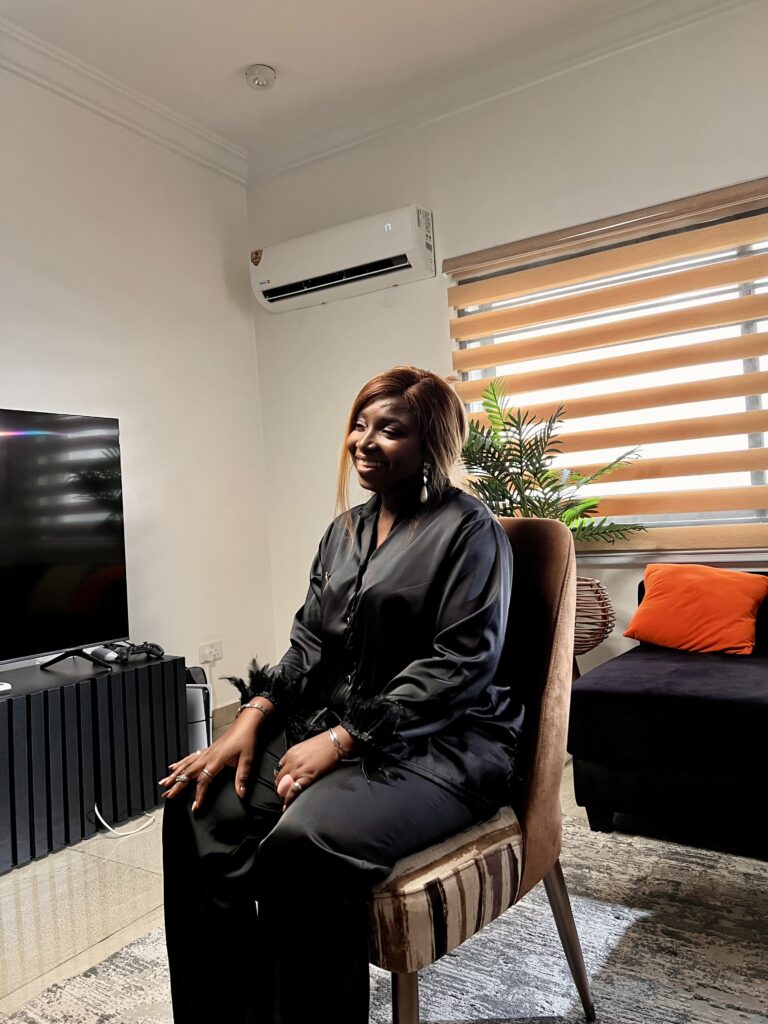
It was a lot to plan for real, and when we saw how massive it was, we decided to have it on January 2nd 2022. We had never met before, but on WhatsApp, we started texting and planning. Then we sold the tickets, and we were surprised by just how many people wanted to pay for it. I think we charged N2,500. It was a massive success, but, guy, it was a lot of debt after the event. Still, we were so inspired.
We had the second one in August of the same year. We increased the price to N5,000 to prevent the issues from the first time, and again, over 300 people showed up for the event. We decided to formalise it and register our brand with CAC. It’s a combination of all of us, and I won’t say it’s my brainchild. Our Convener is Ore, and she has been a massive director. I serve officially as creative director.
We are going to have our sixth event this year. We have already started planning. Last year, we had over 1,000 people and even received formal recognition from South Korean government organizations in Nigeria and South Korea. So we’ve secured partnerships, and even though we haven’t travelled out, we’ve been able to experience Korea in Lagos. In fact, we’ve kind of become a go-to for South Korean ambassadors, influencers, and content creators visiting Nigeria. Sometimes they reach out to us, and sometimes we do, but we’ve been able to serve as a point of contact between those two communities, and it’s been such an honour. Having interviews like this, going on television, it’s been a full circle moment from being told that’s a weird thing you like to being celebrated for it. I mean, I had an interview, and they were like, “Before we get started, can you greet everyone in Korean?” After the interview, I got random DMs from people telling me they were inspired by what I do.
In Nigeria, as a society, people wait until something seems successful or is taking off before supporting or showing interest. If you say, ” We’re building this, they’re like, yeah, that’s right”, but when it’s successful, they start praising you. I mean, in 2022, when we had to look for brands to partner with, where you’d be kneeling down, calling to get the number of the secretary of the boss, so that you can get access to the head of the company to pitch. Those are humbling times, but that’s what it’s like to start and manage a business.
What’s something about building this community that nobody warned you about? The part they don’t put in the founder story.
Nobody tells you how much work you still have to do, even when you hire people. I thought getting someone to manage social media would free me up. What it actually meant was that I was now managing someone who managed social media. The work didn’t go away; it just changed shape.
From the very beginning, I’ve done every single design for Hamkke’s socials. I had to go from designing randomly to actually learning how to design properly. That’s one thing.
The other is finding people who are genuinely passionate and not just tolerating the work. I can tell on my team now who is here because they love the culture and who is here because they like me. Both are fine, but those who love the culture bring something extra. I have someone who manages the images for our articles, and because she’s genuinely obsessed with South Korean culture, her ideas are constantly surprising me. You can feel the difference.
And then the flip side: I have picked the wrong person multiple times. I had a video editor at one point, and the quality of the videos dropped so noticeably that if you scroll back through our content, you can pinpoint exactly when she started and when she left. I’ve learned to be more careful, but it still happens.
The financial reality is also something nobody talks about enough. There are days you get income and feel great. Then you pay everyone, cover the costs, and you’re left wondering where it went. Getting used to that rhythm is its own kind of discipline.
Haha! Now that’s something they definitely don’t tell you. Your Hamkke content is doing something different from most fan platforms. You have pieces on the Joseon kings, ancient court rituals, and the way announcements were made in pre-modern Korea. That’s a different level of curiosity than “here’s my drama ranking.” What inspired that?
From the beginning, Hamkke was never supposed to be just a place to enjoy K-pop and K-drama. I wanted it to be a proper culture hub. If you really want to understand a people, you have to go deeper than their entertainment. You need the language, the history, the context.
I think about this practically, too. If a foreigner wanted to visit Korea today and came to our website, they should find something genuinely useful. If someone is interested in South Korean culture beyond the dramas, they should also find a home here. That means the content has to go deeper.
I also think authority matters. We want people to trust us as a source, not just enjoy us as a page. That means we actually study this. And the fact that most platforms in this space are drama-focused means there’s genuine space for us to be something different. That’s not just a competitive edge, it’s an expression of what we actually believe about the culture.
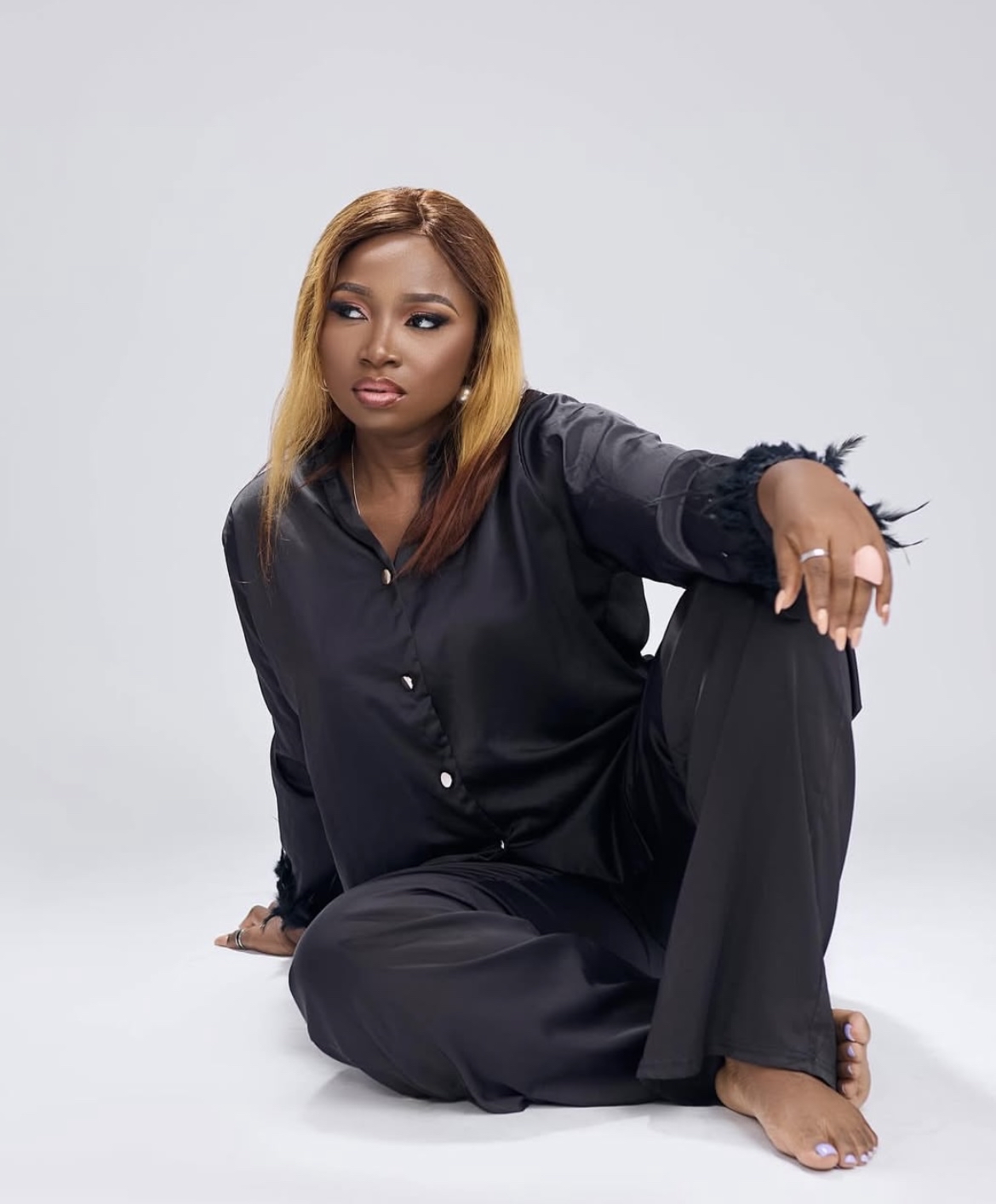
K-Pop Demon Hunters, the animated movie, specifically the song “Golden,” won several awards, including an Oscar. How did that feel when it happened, and do you think moments like that have a real impact on the community here?
Oh my god, yes. K-Pop Demon Hunters.
That was a big moment. It got people interested in Korean music and the Korean language in a way that felt amazing. They did K-pop songs in English, which made it accessible, but then you trace the production and the artistry, and you end up in Korean music culture. One of the songs was actually an homage to an existing K-pop song. I can’t remember which one right now, but that’s how layered it was.
I think what K-pop Demon Hunters did brilliantly was explore South Korean culture and mythology in a way that didn’t feel like a lecture. It felt like entertainment first. And for people who hadn’t gone looking for Korean content, it found them.
As someone who has actually studied the culture but never lived in Korea, I could spot a few things that would never happen in a real South Korean context. But here’s the thing: if South Koreans themselves were not particularly angry about it, I don’t think it’s my place to be. The blend of Western storytelling with South Korean cultural references, that cross-pollination, that’s actually the global village working. That’s what we say we want.
And for the community here in Nigeria, yes, it made a difference. It opened a door for people who might never have searched for Korean content on their own. And once that door is open, you know what happens next.
Is there a version of the South Korean fandom in Nigeria that makes you cringe a little? You can say it.
Oh, I have insider experience with this, so yes. Definitely, I can tell you firsthand.
Top of mind: late last year, the South Korean Cultural Centre held a festival in Nigeria. We partnered with them to help bring in audience members, so we were there for the whole thing. A band comes up to perform, and they have this very beautiful, very handsome, androgynous-looking lady. She looks like a guy, but also like a girl. You know the type. And when she comes on stage, everybody starts screaming. With every single move she makes, the crowd loses it.
Then, after their first song, the band members start introducing themselves. One of them, a guy who plays a wind instrument, steps forward and says his name, and everybody screams. Another band member mentions. “He is also married. With two kids.”
Someone in the audience shouts, “We don’t care!”
I, in my seat, wanted to enter the ground. I was dying.
There was another time, at a different event, when a South Korean dance instructor was invited to judge a Korean dance contest. At the end of the event, people lined up for his autograph. For over an hour. He’s not a celebrity. He’s a dance instructor. And some people didn’t even have anything for him to sign. They were like, “Sign my hand.” I’m like, no. Stop it right now.
I’ll be honest: I even turn around when I spot someone South Korean in public. There’s a natural fascination with someone from a different culture, a first-meeting curiosity. But what I’m describing at these events is different. It’s beyond curiosity. I just hope it keeps getting better, because there are two sides to it, and neither extreme is great.
Outside of Hamkke and K-Vibe, what else is going on with you? Because I know you’re not just one thing.
This question used to send me into a panic because I didn’t know how to answer it. But a couple of years ago, I discovered the term “multipotentialite,” and I haven’t panicked since.
Outside of this, I’m also running a talent management agency, Grit & Genie, where I work on the operations and strategy side. We have talent on our roster right now, and it’s going well. That’s the part of me that likes to organise things and build systems. I’m a first child, so I naturally gravitate towards putting things in order, whether I’m trying to or not.
I’m also really into music. I started doing Korean covers, then I got into writing my own freestyles and rap. I have a couple of those out. I like rap. I don’t know why, because I’m actually quite soft-spoken in real life, but I’m making it work.
And I write. I’ve written screenplays, movies, and series over the years. Some have been produced, including Charmed, Prayer Request, the short film The Choice, and in the series Simbirella. There’s probably more coming. I write on and off, but it never fully stops.
The other big one is encouraging people. I know that sounds like a strange thing to list as an interest, but about two years ago, people started telling me, “When I talk to you, my head gets clearer.” It kept happening, so I started doing it more intentionally. Now there are days when I’m on the phone for four hours just encouraging people. I enjoy it so much that I decided to do it in Korean too. I started a series called awordtotheweary in English, and another called Today’s Reminder, in Korean, where it’s just daily reminders of who you are and what you’re capable of.
I also do a daily live stream that started as a podcast. It’s Bible study, scripture, and encouragement. I’m very loud about my faith. And I was not a morning person, but somehow through this I’ve become someone who wakes up before 5 am almost every day. I don’t fully understand it myself.
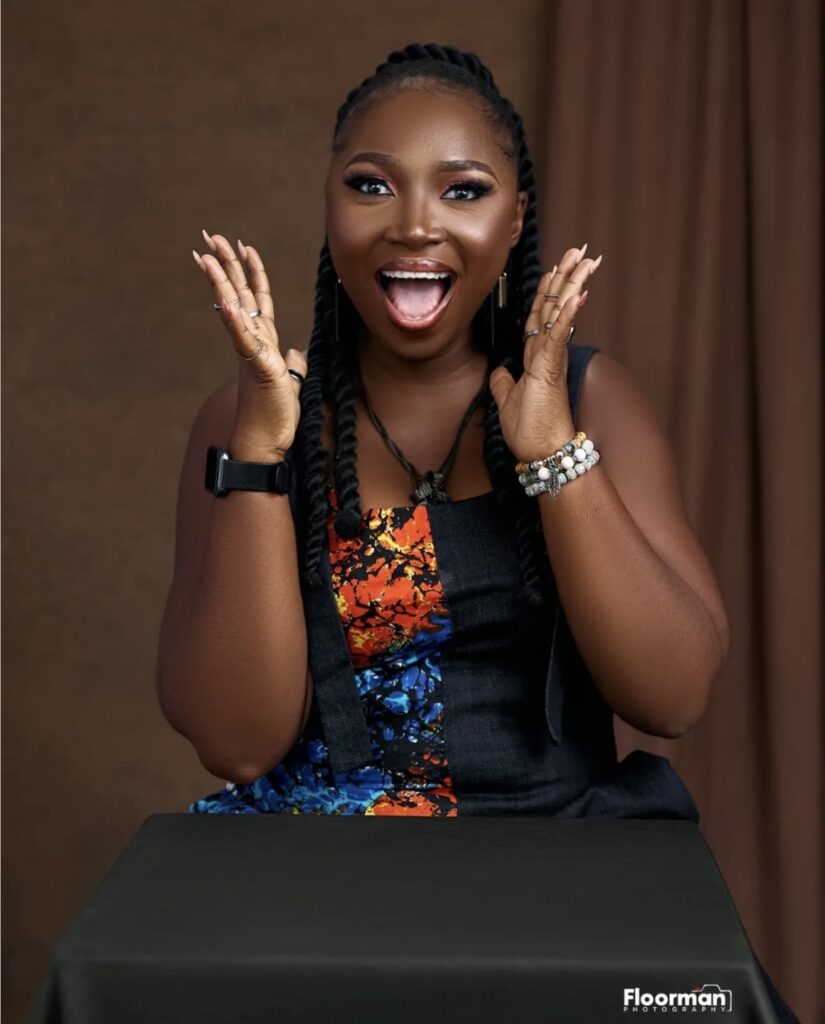
How do you navigate being in the spotlight? Because some of us, myself included, are more comfortable behind the scenes.
Honestly, I don’t even feel like I’m in the spotlight yet. There are moments where I think, okay, maybe this is it, but most of the time it doesn’t feel that way.
What I know about myself is that I’ve always been two people. I was the artsy recluse who could sit in a corner all evening. But when it was time to perform, to act, to sing, to speak, something else takes over. People who know me in both modes sometimes can’t believe they’re the same person. If I’m on stage, I’m completely at home. If I’m in a group and nobody’s addressed me, I’ll be quietly in the corner just observing and smiling.
I think what makes the spotlight manageable for me is that every time I’ve been put in it, it’s been for something I genuinely love. Writing, this Korean thing, planning something. I’m never asked to perform anything outside myself, so I can relax into it.
And then at the end of every day, I come home to myself. I walk every day, sometimes for an hour, sometimes two, in complete quiet. Just me, the dark, and my own head. I pray, I meditate, I laugh at things I find funny alone. My inner circle is tiny. I have people I can call at night and say, I’m having a terrible day, and they’ll ask if I want cake. That balance is what makes the public part worth it. I protect my energy very intentionally.
You’ve built all of this in Lagos. What has the city cost you, and what has it given you?
The time difference with Korea is eight hours. So when I was trying to build friendships and connections with South Koreans online, I was either waking up very early or staying up very late, because that’s the only time the windows overlap. And then there’s the light situation. You’re managing all of this, and NEPA takes the light, and your phone is dead. It was already a mess before it even started.
Even now, I batch everything. I schedule posts when there’s power and internet because I cannot guarantee what tomorrow morning looks like. Lagos has genuinely trained me to make contingencies for everything, and I think that’s made me more resilient as a builder, even if it shouldn’t have to be that way.
But the more interesting thing Lagos has given me is perspective. Studying South Korean culture, and specifically Korean excellence, made me see Nigeria with new eyes. Excellence for South Koreans is not a personal ambition; it’s a cultural standard. It’s in how they work, how they maintain their environment, how they show up for each other. I think about last year’s presidential situation, how quickly people moved, and how decisively it was resolved. That kind of collective standard exists there.
Here, if I live in an apartment and my neighbours won’t agree to help clean the compound, it just gets worse. And I notice it now in a way I didn’t before. Studying another culture’s relationship to excellence has made me see our own gaps more clearly, and also want to contribute to closing them. If I ever end up in any kind of policy or nation-building space, I already know some of what I would do differently.
What’s the one thing you’ve built, big or small, that you’re most proud of that nobody really talks about?
Okay. It would be the encouragement part of my brand.
It started at the end of last year. And since then, I have woken up very early almost every morning to encourage strangers online for an hour. Scriptures, reminders, just showing up. I was not a morning person. I want to be clear about that. And somehow this practice has turned me into someone who wakes up before 5 am, even on days I’m not streaming. I stretch, I walk, I read. It’s changed the shape of my days.
I’m proud of it because of the discipline it’s instilled in me and the messages I receive afterwards. People saying, “The way you explained that, I felt better this morning.” That kind of feedback is something I don’t take lightly.
The other thing is the community itself. Last year, when the South Korean Cultural Centre needed a certain number of people for its festival and reached out to ask whether we had that many, I said yes without hesitation. I said, of course. And that confidence, knowing that we have over 1,500 people in this community built around something that the same society used to dismiss, that still moves me.
Where does this go in five years? Like, we know you’ve made it, but what would be a bigger, I’ve made it moment for you?
First, very loudly: I have not made it yet. I want that on record. I’m working towards it; I believe it’s achievable, but I’m not there yet.
Five years from now, Hamkke will be a platform where schools come to us, where academic organisations want to learn through us, where parents register their toddlers to learn Korean, just as they’d enrol them in French or Spanish classes. That’s not a fantasy. South Korea is becoming an economic world power, and as that happens, the language and culture become more valuable. I want Hamkke to already be the place people trust when that moment arrives.
And for K-Vibe, the vision is bigger than a festival. Five years from now, Nigerian business owners will be meeting Asian business owners at our events. Real economic connections are being made. We already have partners who came to last year’s event specifically to network with South Korean organisations. That’s the direction. Not just K-pop and Oppa. Actual impact.
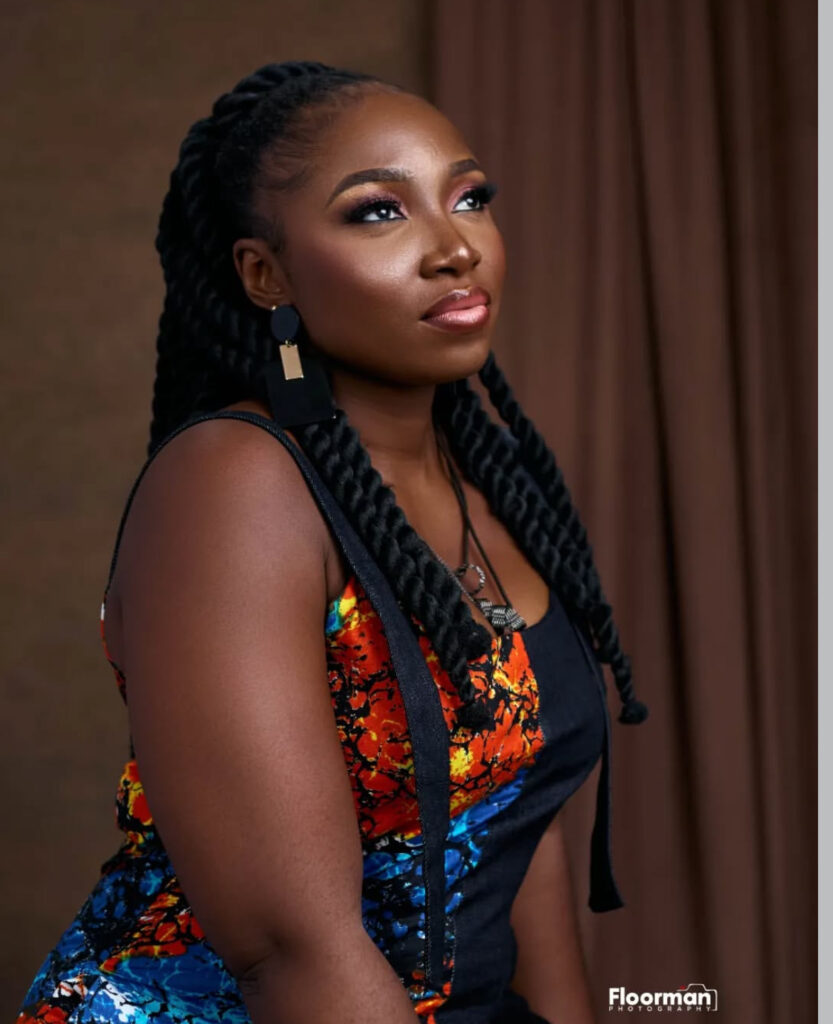
If your seventeen-year-old self could see you right now, what do you think her reaction would be?
She would be surprised. Because she thought life would look very different by now.
She thought she’d be married at 23 or 24. She thought she’d have children. She thought she’d be opening a big supermarket on a major road in Lagos. She thought she’d be a performing artist, but the kind of songs she wanted to sing didn’t make any sense, so I’m relieved that didn’t happen. We still have some of those old notebooks, and they are not great.
But she’s going to be happy.
She’s going to find out that we still sing, but we sing differently now. People cry. People lie down and worship. Strangers come up afterwards and say, “I heard your voice, and it helped me.” She’s going to find out that random strangers give us things just because of how we sing. That still shocks me. I genuinely do not understand it, but it happens.
She’s going to find out that we write a whole lot better than we ever thought we would. She’s going to be floored by that. Back then, we wrote rhymes where everything had to rhyme with everything else. She’s going to read the work now and not believe it’s us.
She’s going to find out that we laugh a lot. That one is going to make her cry, honestly. Because we used to cry a lot, she’s going to be so relieved.
She’s going to find out that we are still weird, but weird is now called personality. All the things people made fun of us for are apparently cool now. Full circle.
She’s going to find out that nothing changed about the hair. Same style, different lengths, forever. She’ll probably sigh about that.
She’s going to find out that we speak Korean. She won’t believe it.
And she’s going to be the most surprised by this one: we now sit in front of a camera, record it, and show it to the whole world. The girl who used to privately love things she didn’t want anyone to know about is now on television, doing interviews, greeting entire studios in Korean.
I think she’d be pleased. I really do.
Last question. When someone stumbles across Hamkke or K-Vibe for the first time, what do you want them to feel?
These guys understand.
Not just that we like Korean things. Not just that we throw good events. That we actually understand the culture. That we’ve studied it, that we take it seriously, that you can come here with any level of knowledge or curiosity and find something real.
For Hamkke: these guys understand South Korean culture. For K-Vibe: these guys understand Asian culture.
That’s it. That’s all I want. And honestly? I think people already feel that. So we must be doing something right.