There are a few things I can overlook in this life, and mouth odour is definitely not one of them.
If there is anything that genuinely terrifies me, it is the smell of bad breath or BO. That faint “something isn’t right” scent when someone leans in to talk to you. Or the ones that hit you so sharply you have to pretend you are fine when your whole spirit wants to back away.
Because imagine meeting your favourite artist, your long-time crush, or someone you deeply admire, and the only thing they remember is that your breath smelt awful. Or worse, imagine someone pulling you aside to say those five traumatising words: “Your mouth is smelling a bit.” I would simply evaporate.
Maybe this fear started in childhood. I had sore throats constantly, and I grew up very aware of how easy it was for the mouth to betray you. I have been in too many circles where someone whispered that another person had mouth odour, followed by a chorus of uncomfortable agreement. No one ever knows how to say it kindly, and the embarrassment lingers long after the moment has passed.
So I built a routine — a simple, consistent oral hygiene system that gives me enough confidence to talk freely without having to do the secret breath check in my palm. I can even wake up in the morning without panicking about morning breath.
If you are trying to upgrade your oral hygiene and you want your breath to feel as clean as your lip gloss looks, this guide is for you. And if you work closely with clients, especially as a makeup artist, hair stylist, or beauty professional, this is even more important. Bad breath is one of the quietest ways to lose clients without realising why.
Step 1: Make the Switch to an Electric Toothbrush
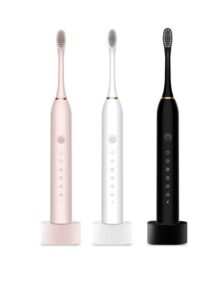
For years, I used a simple manual toothbrush. Nothing special. Just a good-quality brush with a plastic cover, medium-soft bristles, and the discipline to actually use it properly. That alone made a difference. Now I use an electric toothbrush with soft bristles, and honestly, I am not going back.
Why it matters:
- Soft or medium-soft bristles are kinder to your gums and enamel. Hard bristles can cause tiny abrasions and gum recession, and you do not need to scrub your teeth like you are washing pots.
- Electric toothbrushes also deliver consistent strokes and usually have a built-in timer, which helps you actually brush for the recommended 2 minutes instead of the 30 seconds your brain swears is 2 minutes.
If your budget allows, the Oraimo electric toothbrush is about N21,600 and comes with four replacement heads, meaning you are covered for the entire year. If you prefer a manual brush for now, choose a medium-soft one with a small head so it can reach the back of your mouth easily. Replace it every three months or sooner if the bristles start to flare out.
Non-negotiable rule: Brush morning and night. Consistency is the real game-changer here.
Step 2: Get a Traditional Flosser or Water Flosser

The next step in maintaining optimal oral hygiene is accepting that your toothbrush cannot reach every part of your mouth. Food particles and bacteria love to hide in the tiny spaces between your teeth, and that is precisely where flossing comes in.
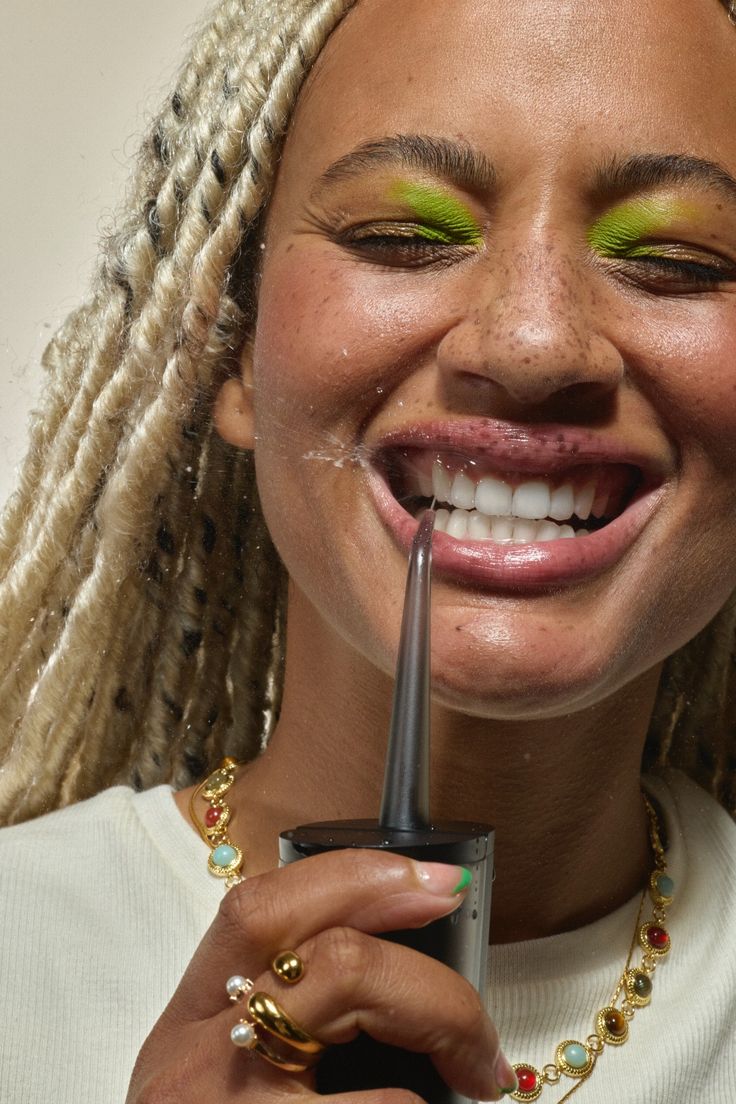
I use a water flosser because it is easier for me than traditional string floss. It shoots water between your teeth and along your gum line, flushing out all the tiny bits your toothbrush leaves behind. It is quick, it is effective, and it is honestly satisfying.
If you are on a budget, start with simple floss picks or regular floss strings. Keep them somewhere visible so you actually remember to use them. If you can, get a water flosser and start on the lowest pressure to avoid shocking your gums on the first try.
Aim to floss at least twice a week, preferably at night. You do not want to sleep with trapped food quietly rotting between your teeth.
This is the step that truly transforms your breath. A lot of “mysterious” bad breath is simply old food and bacteria hiding where your brush never reaches.
Step 3: Ensure You Clean Your Tongue

A lot of people brush their teeth and completely ignore their tongue. Then they wonder why their breath still smells off.
I use a tongue scraper. It is not the fanciest tool in the world, but it works. You can use a proper metal scraper, a plastic one, or even the tongue-cleaning surface on the back of some toothbrushes.
Every time you brush, scrape your tongue from back to front a few times. I have also found that scraping horizontally helps minimise that uncomfortable gagging reflex.
Rinse the scraper or brush between strokes.
Do not be alarmed if you see a white coating coming off. That is exactly what you are trying to remove.
Your tongue holds on to odour-causing bacteria. Once you start cleaning it properly, you will notice your breath stays fresher for much longer.
Step 4: Oil Pulling for the Girls Who Love Rituals

This one is a little extra, but I love it.
Oil pulling is an old practice where you swish oil (usually coconut oil) around your mouth for several minutes, then spit it out. A lot of people use it as a natural way to support oral hygiene, and while it is not a replacement for brushing or flossing, it can help reduce bacteria and freshen your breath.
For me, it is both a ritual and a practical step, and I do it about once or twice a week. Most dentists agree that oil pulling should not be done daily, and that once or twice a week is the safest, most balanced approach if you want to include it in your routine.
On days when I oil pull, I do it before brushing:
- Take a spoonful of coconut oil.
- Swish it around your mouth for about 10–15 minutes while you do something else.
- Spit it into the bin, not the sink, to avoid clogging your pipes.
- Then brush and floss as usual.
Think of this as a bonus step, not a requirement. If you hate the texture or taste, skip it. You will be perfectly fine without it. Your toothbrush and floss are the real stars of the show.
Step 5: Get a Good Mouthwash

Before I switched to an electric toothbrush, I relied heavily on Listerine, and I loved it. I still keep a bottle, but I use it less often now because my routine already does most of the work. On days when I eat something heavy on garlic or onions, a quick rinse makes a noticeable difference.
If you use mouthwash, think of it as support, not a shortcut. It should never replace proper brushing and flossing.
Here is what to look for:
- Choose alcohol-free options if you have a sensitive mouth or if your gums feel dry.
- Use it after brushing and flossing, not instead of them.
- Swish for the recommended time so it actually works, instead of doing a three-second rinse.
Mouthwash can also be helpful after oral sex because it helps reduce bacteria in your mouth and leaves you feeling fresher. Just keep in mind that while it supports hygiene, it does not prevent sexually transmitted infections.
Step 6: Always Have Sugar-Free Mint Chewing Gum in Your Purse
You can have the best morning routine and still end up with not-so-fresh breath by late afternoon, especially if you have been drinking coffee, eating spicy food, or talking nonstop.
I always keep sugar-free mint gum in my bag. Not the sweet, chewy, candy kind. Actual mint that refreshes your breath. Your purse should have at least one breath-friendly item at all times — gum, mints, or even a mini mouth spray if you prefer.
It also helps to drink water regularly throughout the day. A dry mouth can make odours stronger, so staying hydrated supports fresher breath for longer.
Oral Care Is Part of Your Beauty Routine
At the end of the day, good oral hygiene is not just about impressing a crush or avoiding embarrassment. It is about the quiet confidence that comes from knowing you smell good, feel fresh, and can carry yourself without hesitation.
It is also important to remember that sometimes “my breath feels off” is not just a mouth issue. It can be a sign of something happening in your throat, gums, or even your stomach. If you are doing all the right things and your breath still smells unusual, it is worth seeing a professional to rule out infections or other underlying concerns.
A proper oral hygiene routine removes the constant anxiety of asking yourself every few minutes whether your mouth smells bad. It lets you show up fully, without self-consciousness.