Oral sex is now the leading cause of throat cancer, and black women are 41% more likely to develop cervical cancer, with 75% more likely to die from it.
Sit with that for a second.
I came across that fact a while back, and it sent me down a rabbit hole I haven’t fully climbed out of. Because once you know that, you start thinking about STIs, cervical cancers, and all the things happening quietly inside your body that you’ve never thought to check. And then you start thinking about all the reckless things you may have done, and suddenly “protecting yourself” stops being abstract.
It doesn’t have to start with fear, though. Maybe you’re just curious. Maybe you’ve always been the kind of person who likes to know exactly where they stand. Either way, if you’re in your 20s and you’ve never sat down to think about this properly, here’s a place to start: the tests you should be taking, and the vaccines you can actually get in Nigeria.

The Tests Every Woman Should Get in Her 20s
Here are a few tests you need to take once you clock 21 and even earlier, depending on whether you’re sexually active or not.
- HPV Test and Pap Smear
These two often come as a pair at a gynecologist’s office, and if you’re 21 and above, they should be on your radar. HPV is the human papillomavirus. It is incredibly common. Most people who are sexually active will have some form of it at some point, and most of the time, your body clears it on its own without you ever knowing. The problem is the strains that don’t clear, which can, over time, lead to cervical cancer. You can get HPV from giving a guy head, or having sex with them. The guy in this case may not even know he’s a carrier and would go on unscathed as they don’t have a cervix.
The HPV test checks for those high-risk strains. The Pap smear looks at your cervical cells for any abnormal changes that could affect fertility or threaten your health. Together, they give you a clear picture. Neither of them is particularly pleasant, but both of them are worth it.
- Genotype and Blood Group
Yes, your parents told you. Yes, you need to confirm it yourself. Genotype is the one people usually think about in the context of who they can marry, and that framing is understandable. However, it is important to confirm the accuracy of the result yourself when you get older, as details might have been obscured when you were a child. Additionally, blood group matters in emergencies. If you ever need a transfusion and you don’t know your type, or worse, someone provides the wrong information, that is a crisis that can lead to death, but could have been avoided. Know your own body. Do not rely on what you were told at age seven.
- Hepatitis B and Hepatitis A
Hepatitis B is a liver infection spread through blood, sexual contact, and from mother to child during birth. It can become chronic and eventually lead to liver disease or liver cancer. The Hepatitis B test checks both whether you have the infection and whether you have immunity, which is important because a lot of Nigerians were not consistently vaccinated as children and may not know their status. Hepatitis A spreads through contact with contaminated food or water rather than through sexual contact, but it belongs here because early diagnosis matters. It can knock you out for weeks, and if you have young children or nieces and nephews you’re regularly kissing and playing with, knowing your status protects them too.
- Syphilis and Gonorrhea:
Both are bacterial STIs and are curable with antibiotics. However, if left untreated, both can cause serious long-term damage, including infertility, damage to your heart and nervous system, and complications in pregnancy. The tricky thing about syphilis in particular is that its early symptoms are easy to miss or dismiss: a painless sore that comes and goes, a rash that seems unrelated. Regular screening catches it before it becomes a real problem.
- Chlamydia
This is the one that gets people, because most of the time, it gives you absolutely nothing to go on: no symptoms, no pain, no unusual discharge. You feel completely fine. Meanwhile, if it goes undetected long enough, it can cause pelvic inflammatory disease, damage your fallopian tubes, and quietly affect your fertility in ways that only become apparent when you are trying to conceive. It is one of the most common STIs in the world; it is fully curable with antibiotics, but only if you know you have it. Test for it. Every year, or more frequently if you have multiple partners.
- Mycoplasma Genitalium
Most people have never heard of this one, and that is part of the problem. It is a bacterial infection that causes similar damage to chlamydia and gonorrhea, including pelvic inflammatory disease and increased risk of infertility. Still, it is not on most standard testing panels. It is also becoming increasingly resistant to common antibiotics, which makes catching it early even more important. If you have had unexplained pelvic pain, recurring infections that don’t fully resolve, or have had multiple partners, ask your doctor specifically about testing for it.
Read Also: Trade-offs My Body Has Made Since Turning 25
- HIV
You know what it is. You need to know your status. Full stop. If you are sexually active, getting tested regularly is just basic adult hygiene at this point. There is nothing shameful about testing positive, and there is absolutely nothing shameful about knowing where you stand. Testing negative means you can make informed decisions going forward. Testing positive means you can access treatment early and live a full, healthy life. Either way, you need to know.
- Trichomoniasis
Trich is one of the most common curable STIs and one of the least talked about. It is caused by a parasite; it is extremely treatable, but it is frequently mistaken for a yeast infection or bacterial vaginosis and is self-treated incorrectly. Which means it stays. Symptoms when they do show up include itching, burning, redness, and unusual discharge, but again, many people have none of those. Ask for it by name when you’re doing your panel, because not every clinic includes it automatically.
9. Herpes (HSV-1 and HSV-2)
HSV-1 is the one classically associated with cold sores, but it can be transmitted genitally. HSV-2 is typically genital. There is no cure, but there is management, and knowing your status means you can make informed decisions about partners and transmission. Ask your gynecologist specifically, because it is not always included in a standard STI panel.
10. Annual Full Panel Test
Sexual health aside, a full check-up once a year is the kind of thing that changes your life in small, compounding ways. A full blood count tells you about your red and white blood cells and platelets. It can flag anemia, infections, and a range of other things. I had someone tell me she discovered she had liver issues through a routine test, which makes the case for doing it even when you feel completely fine. It is also useful for catching prediabetic tendencies early, when you still have ample room to address them.
Thyroid function is worth adding to the list, too, especially if you have been feeling unusually tired, gaining or losing weight without a clear reason, or struggling with your mood. The thyroid is a small gland that runs a lot of the show, and it is underdiagnosed in women more than most people realise.
If your clinic or HMO does a general wellness panel, book it once a year. Some health insurance plans in Nigeria cover this, or at least part of it. Call your provider and ask specifically.
Vaccines You Can Actually Get as an Adult in Nigeria
This is where it gets interesting, because most people think vaccines are just for children. They are not. If you can afford it, these are worth looking into.
- HPV Vaccine
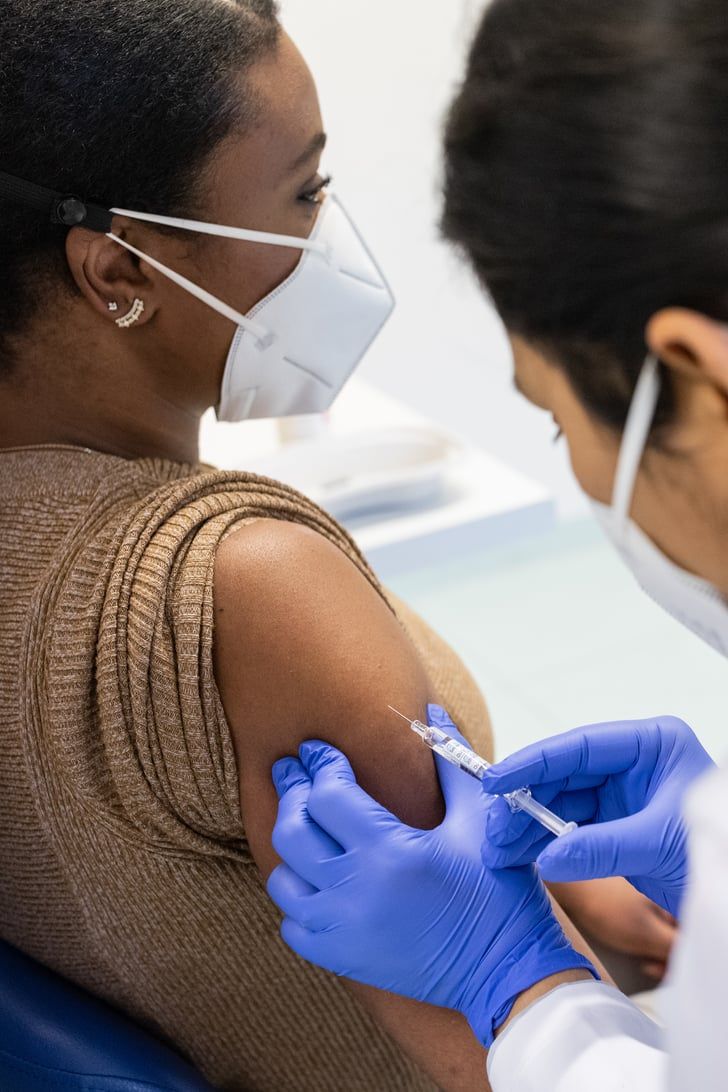
If you have not had it, you can still get it. The HPV vaccine does not treat an existing infection, but it protects against the strains most likely to cause cervical cancer. Nigeria recently introduced it into its routine immunization program, largely targeting younger girls, but private clinics have offered it to adult women for some time. It is a series of two or three doses, depending on where you get it, and it can range between 75,000 and 150,000 naira. You will be required to take an HPV test before it can be administered.
- Hepatitis B Vaccine
This consists of three doses over about six months. If your test confirms that you don’t have the infection and don’t have immunity, this vaccine gives you that immunity. It is one of the more straightforward ones to sort out. Costs an average of 40,000 to 80,000 naira, including the test.
Read Also: 5 Sexual Health Myths That Are Putting You At Risk
- Hepatitis A Vaccine
It’s just two doses, but it can be the difference between life and death. Given how food and water hygiene can be unpredictable in many parts of Nigeria and when travelling, this one makes a lot of sense. A direct liver infection that can knock you out for weeks, and catching it early is significantly better than treating complications. Similar cost range to Hepatitis B: around 40,000 to 80,000 naira, including the test.
- Tetanus shot
You will likely be told to take this when you are pregnant. What most people don’t know is that if you complete the full tetanus toxoid series before pregnancy, you and your baby are protected for much longer. The series typically consists of five doses given over several years. If you start now and complete it, you are protected for life, and that protection passes to your future children through maternal antibodies. It also covers you for everyday accidents, stepping on a nail, broken glass, and the usual. Government hospitals offer this as part of their routine services, at around 30,000 to 50,000 naira for the full course.
- Influenza (Flu Vaccine)
This is an annual vaccine because the flu virus mutates. If you are someone who catches every bug that comes around, who lives with elderly relatives or young children, or who has any respiratory condition, this is worth looking into. Some private hospitals and clinics in Lagos and Abuja stock it seasonally. It will not make you immune to every cold, but it reduces your risk of severe illness from the specific strains circulating that year and makes severe illness significantly less likely.
- Yellow Fever
If you do not have your yellow card, sort it out. It is mandatory for travel in and out of Nigeria, and it is a one-time shot that protects you for life. You can get it at government hospitals . Register online at yellowcard.health.gov.ng before your visit.
- Meningitis Vaccine
Nigeria is in what is called the African Meningitis Belt, which means the risk of meningococcal meningitis is higher here than in many other parts of the world. Nigeria was actually the first country globally to roll out the new five-strain meningitis vaccine in 2024. If you have not had it, ask your doctor about availability.
A Note on Cost
All of this adds up. A full sexual health panel at a private clinic in Lagos can run anywhere from 30,000 to 80,000 naira, depending on where you go and what is included. Vaccines have their own pricing. An annual check-up depends heavily on whether you have insurance and what your plan covers.
You do not have to do all of this at once. You do not have to do all of this at all if it is genuinely out of reach right now. But if you can prioritise, start with knowing your HIV status, your genotype, and your blood group. Then build from there. Some government facilities offer basic STI screening at much lower cost. Some HMO plans cover annual wellness visits if you actually book them.
Your body is running all the time, quietly managing a thousand things. The least you can do is check in occasionally.