9-to-5Most of us didn’t learn the phrase “calorie deficit” from a doctor or a nutritionist. We heard it on TikTok or Instagram, usually from someone claiming it was the secret behind dropping 40 kg in record time. You bookmarked the video, felt inspired for five minutes, and maybe even tried to recreate the magic. Or you heard it from a friend who suddenly lost weight and mentioned it casually, like it was a cheat code: “Oh, I just did a calorie deficit.”
And like many women, you either tried it or, more realistically, you started undereating and called it a “deficit,” hoping for the same results. To be fair, it works… until it doesn’t. Then one day you look up, and you’re not just back where you started, you’ve somehow returned with extra kilograms and a dented sense of control. You sigh, say you’ve “tried everything,” and quietly write the whole concept off.
Here’s the part diet culture never says out loud. Calorie deficits do work; what doesn’t work is the way we’ve been taught to approach them.
I know this because I’ve lived it. In 2022, when I needed to lose weight for my sister’s wedding, I went on a calorie deficit and lost about 20 kg. It worked. But I still got it wrong.
When life happened, when stress eating, exhaustion, and zero free time kicked in, I regained the weight and added about 10 kg more. Not because calorie deficits are a scam, but because nobody teaches you the science, the psychology, or the maintenance phase.
So here is the truth about calorie deficits, how diet culture gets them wrong, and what it actually takes to make them work for your body, your lifestyle, and your mind.
What is a calorie deficit really?
A calorie deficit simply means this: you are consistently eating fewer calories than your body burns. Over time, your body fills that gap by using stored energy. Most of that energy comes from body fat, but it can also come from muscle if you are not eating enough protein or doing any strength work.
Most doctors and dietitians agree on one thing: energy balance is the foundation. If you eat more than you burn, you gain. If you eat less than you burn, you lose.
Simple on paper. But here’s where most people get confused: your “calories out” is not a fixed number. Your body is dynamic, constantly adapting in the name of survival. The total calories you burn each day come from four major areas:
Basal metabolic rate (BMR): The energy your body uses at rest for things like breathing, organ function, and hormone regulation.
NEAT (Non-Exercise Activity Thermogenesis): All the movement you do that is not a workout, including walking, standing, climbing stairs, fidgeting, and even how animated you are when you talk.
Exercise: Structured activity like gym sessions, runs, home workouts, or fitness classes.
Digestion: The energy your body uses to break down and process food.
Together, these make up your Total Daily Energy Expenditure (TDEE). When you eat below this number consistently, a calorie deficit happens.
A deficit works; that part is not up for debate. What is up for debate is how your body responds to it, because it is far more complex than only “1000 in minus 1 kg a week.”
Does a calorie deficit actually work for weight loss?
Short answer: yes.
Research is very consistent on this. An energy deficit is the primary driver of weight loss. You can create that deficit through food, movement, or a combination of both. Most health organisations recommend a moderate deficit that leads to about 0.5 to 1 kg per week, which usually means eating around 500 to 750 fewer calories than you burn each day.
Going far below that may give faster results at first, but it also increases the risk of muscle loss, nutrient deficiencies, hormonal disruption, binge eating, and rebound weight gain.
Your Total Daily Energy Expenditure, TDEE, is the number of calories you burn each day. When you eat below that number consistently, your body uses stored energy, mostly fat, to fill the gap. That is the deficit.
And if you stay consistent, you lose weight.
Simple? Yes.
So why does it not work for everyone?
How diet culture gets calorie deficits wrong
Diet culture loves to oversimplify things. It acts like a calorie deficit is instant, linear, and equal for everyone. But in reality, your hormones matter, your sleep matters, and your life circumstances matter. If you are stuck in Lagos traffic after a long 9-to-5, the last thing on your mind is creating a deficit. You will most likely reach for whatever gives quick relief, the typical La Casera and Gala combination.
And here is another truth. A lot of what people call discipline is simply a season of life where their mental health was stable enough to follow a routine. A calorie deficit works, but it is not something you do once and forget. When you reach your goal, you still need a maintenance structure to keep things steady. This does not mean you will never eat your favourite foods again. It means you learn portion control. Without portion control, weight loss through a deficit becomes very difficult to maintain.
Diet culture also forgets to mention health conditions. Hormones, medications, PCOS, thyroid issues, perimenopause, and insulin resistance all influence how your body responds to the same deficit. And there is something called the plateau stage, also known as metabolic adaptation. When you diet, your body can reduce how much energy it burns, which makes weight loss slower over time.
You are also encouraged to copy extreme versions of calorie deficits simply because they worked for someone else. The classic “1200 calories for every woman” trend is reckless. For many women, that number is below their resting energy needs. Very low-calorie diets can slow your metabolism, increase appetite, encourage all-or-nothing thinking, and increase the risk of binge eating and weight regain.
How to understand your own calorie needs
To create a successful calorie deficit, you need to understand your own body. You cannot pick 1200 calories simply because an influencer said so. Your calorie needs depend on your body, your lifestyle, and your activity level.
Step 1. Find your maintenance calories
Maintenance calories are the amount of energy you need to roughly stay the same weight. There are three common ways to estimate this.
- The first is using an online TDEE calculator. These calculators use research formulas based on age, sex, height, weight, and activity level. They are not perfect, but they provide a useful starting point.
- The second method is the simple rule of thumb used by some dietitians. You multiply your current body weight in kilograms by 30 to 33 if you are moderately active. This gives a rough estimate of your maintenance range. It can be higher or lower depending on the individual, but it helps you start somewhere.
- The third method is observation. You track everything you eat for one to two weeks without trying to diet. You weigh yourself a few times per week. If your weight stays relatively stable, the average calories you consumed during that period are likely close to your maintenance level.
Step 2. Decide on a sensible deficit
Once you have a maintenance estimate, you can subtract from it. A mild deficit is usually around 300-500 calories per day. A more aggressive deficit, which is only advisable if you have medical clearance and a higher starting weight, can go up to 750 calories per day.
For example, if your maintenance is around 2300 calories, a reasonable deficit would fall between 1700 and 2000. That is still food. You are not expected to survive on cucumber slices and vibes.
What makes a calorie deficit sustainable?
A calorie deficit on paper is useless if you cannot live with it. Sustainability comes from structure, not from trying to force discipline out of thin air. Four elements make a deficit easier to stick to and easier to maintain.
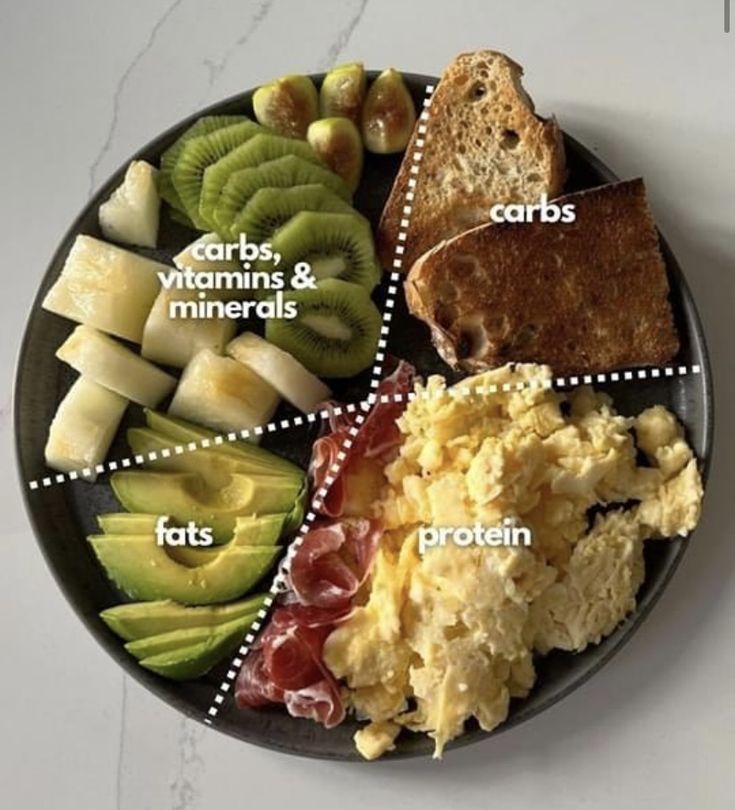
Protein as your anchor: Higher protein intake helps you protect muscle while losing weight, stay fuller for longer, and slightly increase the calories you burn during digestion. Many nutrition guidelines recommend about 1.2 to 1.6 grams of protein per kilogram of body weight for people in a deficit, especially if they are active. And yes, you may already be realising that eating higher protein can feel expensive. You are not wrong, but there are affordable options. Eggs, Greek yoghurt, tofu, chicken, turkey, fish, goat meat, beans, lentils, moimoi, and akara made in the oven or air fryer all count. You do not need to buy protein powder to start.
Fibre and volume foods: If you want to feel satisfied on fewer calories, you need plenty of fibre and water-rich foods. These make meals more filling without dramatically increasing calorie intake. Vegetables, fruits, beans, whole grains, and soups built around vegetables like cabbage, tomatoes, okro, pumpkin leaves, and garden eggs can help you stay full and energised. High-volume, lower-calorie meals are the quiet secret behind a comfortable deficit.
Movement that fits your life: You do not have to live in the gym to see progress. Research shows that combining diet with movement makes appetite and weight management much easier. This can be as simple as walking more during the day, even if it is not 10,000 steps, doing two to four strength sessions per week if you can, or choosing dance classes, skipping, or at-home workouts. Strength training is especially important because it helps you lose fat, not muscle.
Sleep and stress: Lack of sleep and chronic stress increase hunger hormones, lower satiety, and push you toward high sugar, high-fat comfort foods. A sustainable calorie deficit becomes much harder to maintain when your body is constantly trying to self-soothe through food, so sleep and stress care matter as much as what you eat.
The slightly annoying reality of tracking
Here is the part that Instagram rarely tells you. A real calorie deficit is often… admin.
It is not glamorous or aesthetic. Tracking for calorie deficit usually means downloading an app like Lose It, MyFitnessPal, or Cronometer and logging what you eat every day. It means keeping a kitchen scale on your counter and getting comfortable weighing foods like rice, pasta, yams, oil, and snacks so you know what your portions actually look like.
It also means paying attention to serving sizes, using measuring cups and spoons, and sometimes becoming that person in the supermarket aisle who flips every item to check the label. You might even find yourself googling how many calories are in a Knorr cube while cooking. And yes, you will probably need to cook at home more often. Ordering food makes it very difficult to get an accurate picture of your intake, and accuracy matters when you are learning what your body truly needs.
Most of all, a calorie deficit requires self-honesty. Logging “half the biscuits” when you ate eight does not change the outcome. The app does not judge you, but lying to yourself makes the process harder.
And yes, you will need to log everything. The water, the quick snack, the sweets you forgot about, the handful of nuts you grabbed while cooking. All of it counts.
Is tracking obsessive for everyone? No. Can it become obsessive for some people? Yes. If you have a history of disordered eating or feel triggered by rigid tracking, you may need a gentler approach that focuses on portion awareness instead of detailed logging.
Why weight loss plateaus happen
Almost everyone who diets hits a plateau. The scale stops moving, and your brain immediately starts screaming that the deficit is a lie. But plateaus are normal, expected, and usually caused by a mix of factors.
The first reason is that you are smaller now. A lighter body burns fewer calories, so the same intake that created a big deficit at 95 kg may be much closer to maintenance at 75 kg.
The second reason is metabolic adaptation. When you diet, your body tries to conserve energy by encouraging you to move less. Your NEAT drops. You sit more, fidget less, and even request your Uber park closer than usual. All of this quietly reduces the calories you burn each day and slows your progress.
The third reason is adherence fatigue. Research shows that many plateaus are caused by small slips in consistency. Extra bites, spontaneous snacks, and eyeballing portions again all add up without you noticing.
And the final reason is water, hormones, and life. Periods, salt intake, higher stress, and poor sleep can all lead to temporary water retention that hides fat loss on the scale even when you are doing everything right.
What to do when you plateau
The first step is to tighten your tracking for one to two weeks so you can see whether your portions have quietly increased. You can also add a little more movement by increasing your steps, standing more often, or taking the stairs. If needed, you can reduce your calories slightly, not drastically, or you can take a maintenance break. A maintenance break means eating around your maintenance calories for a few weeks to reduce fatigue before returning to a deficit with more energy and better adherence.
Calorie Deficit is One Step, Maintenance is Forever
Remember the 20 kg I lost for my sister’s wedding. I gained most of it back when life became heavy and I used food to cope. This is not unusual. Research shows that after restrictive dieting, people often regain weight quickly once they return to their old eating habits. In some cases, they even overshoot their previous weight because the body is still in a protective, energy-saving mode.
There are a few common reasons this happens. Sometimes the deficit was too aggressive and never became a sustainable lifestyle. Sometimes there was no real maintenance phase, so the person moved straight from dieting to eating everything they missed. And sometimes stress, emotional eating, or bingeing take over, and consistency disappears.
This is why a calorie deficit on its own is not a strategy. You have to plan for life after the deficit, not only the deficit itself.
The real goal is not simply to lose weight. The real goal is to reach a weight range where you feel healthier and can actually remain without making calorie counting a full-time job. That stability comes from maintenance.
Maintenance is a specific calorie range that is usually higher than what you eat during a deficit, but still aligned with your body’s needs. By the time you get there, your body and habits have begun adjusting to portion control, so maintaining your weight becomes easier. At this stage, you do not need to weigh every ingredient. The months you spent tracking have already taught you what your portions look like.
How To Maintain Your Weight
Maintaining your weight long term requires a few things. First, increase your calories gradually until your weight stabilizes. You keep the habits that supported the deficit in the first place, such as prioritising protein, eating more vegetables, and moving your body regularly. You can relax your tracking, because you now have a good understanding of portion sizes, and you accept small natural fluctuations in weight instead of panicking every time the scale shifts by a kilogram.
Maintenance is the part that protects your progress. It is the step that keeps weight loss from becoming a cycle of losing, regaining, and starting again.
Calorie deficits do not work in isolation
Diet culture talks as if a calorie deficit is magic. It is not. You can technically be in a deficit and still lose no weight if everything else in your life is working against you. If you eat almost no protein, never move, sleep four hours a night, binge drink every weekend, and hate your entire routine, your body will fight you at every turn.
Weight loss becomes more sustainable when the deficit sits inside a bigger framework. This means having a work schedule that is not destroying you, limiting alcohol, prioritising protein, eating more fibre, and finding movement that fits your life. A calorie deficit creates weight loss, but your habits decide whether that weight loss continues or collapses.
Some people also find intermittent fasting helpful, especially if it stops late-night eating or mindless snacking. It can make a deficit easier to maintain, but it is not suitable for everyone. If fasting leads you to skip essential meals and then overeat later, or if it triggers headaches, fatigue, or binge eating, it will work against you rather than with you. The goal is structure, not suffering.
A calorie deficit will only work long-term when the rest of your life supports it.
When you should not consider a calorie deficit
A calorie deficit is not for everyone. You should speak to a doctor or a registered dietitian before attempting one if you are pregnant or breastfeeding, if you have a history of eating disorders, if you are underweight, or if you live with medical conditions such as severe diabetes, thyroid disease, kidney disease, or serious heart conditions. You should also seek professional guidance if you are on multiple medications or if dieting has affected your mental health in the past.
Your health history and current circumstances matter. A deficit is a tool, not a universal prescription.
So, should you try a calorie deficit?
Here is the truth, without diet culture noise. A calorie deficit works for weight loss. It works best when it is supported by enough protein, regular movement, better sleep, and proper stress management. Calorie deficit is not a magic trick. It is not a shortcut. Rather, it is a structured way of eating that eventually transitions into maintenance, and that maintenance is what protects your progress.
There is no gold medal for suffering the most. A moderate, simple plan you can follow consistently will always beat the extreme plan you abandon in week three.
If you decide to try a calorie deficit, let it be because you genuinely want it, not because Instagram convinced you that soft life only comes in a size 8. And remember, you are still you whether the scale moves or not. Your value does not shrink or expand with your weight. Your life will always be larger than a number.