Turning 25 comes with a strange kind of excitement. It is a milestone birthday, the one everyone talks about like it were the beginning of “real adulthood”. You expect clarity, confidence, maybe even a little magic.
What no one sees coming are the subtle shifts in your body. The same body you have known, loved, and understood for two decades suddenly starts doing its own thing. And it does not happen the second you cut the cake. It creeps in somewhere between your 24th and 26th birthday, and before you realise it, this quiet shift becomes your new normal.
Things you thought you understood begin to change. Your cycle behaves differently. Your skin acts up in ways it never has. Your appetite, your emotions, your sleep, your gut, your energy… everything starts moving in patterns you do not recognise. You find yourself wondering if you are sick, stressed, or reacting to something new. You end up on Google at 2 a.m., panicking that something must be wrong.
Then you discover the phrase used for this season: your second puberty.
It is not just the frontal lobe finishing its development. It is a full-body recalibration. Every cell renegotiating its role. Your body evolving into full womanhood. And the changes are real, common, and surprisingly under-discussed.
From a woman who also spiralled as she turned 25, here are the trade-offs your body may be making after 25, along with some of the tips that helped me navigate this new chapter.
1. Less cramps, more acne
The first sign that something was shifting for me was strangely positive: my period cramps reduced. The pain I used to mentally prepare for every month just became almost nonexistent. But the joy was short-lived because in exchange, my skin declared war.
As someone who had never dealt with acne, suddenly I had chin breakouts, cheek breakouts, random forehead flare-ups — the whole committee. And because I had zero experience managing it, everything spiralled into scarring and hyperpigmentation before I could figure out what was happening.
Later, I learned that this shift is actually common.
Adult female acne peaks between 25 and 45, because oestrogen and progesterone begin fluctuating differently in your mid-twenties. This increases androgen sensitivity, especially around the jawline, which ramps up oil production and triggers breakouts.
Basically, your hormones migrate from your uterus to your face.
What has helped: What has helped: Mostly keeping my routine simple and consistent, using a gentle cleanser, relying on pimple patches so I do not pick and scar, and paying attention to the foods that make my skin react.
2. Slower metabolism, which leads to bloating
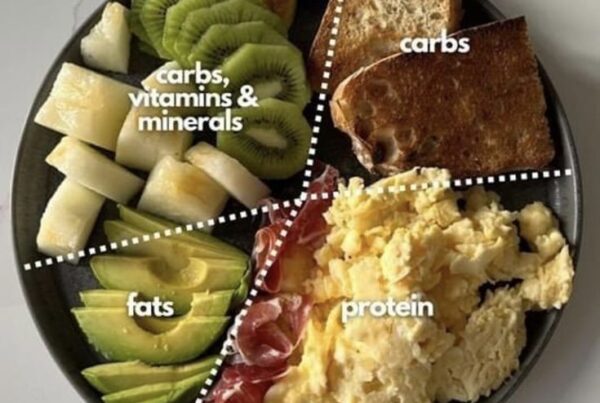
One of the most confusing changes for me after 25 was how differently my body reacted to food. Meals I had eaten all my life suddenly made me feel heavy, bloated, or strangely uncomfortable. My digestion felt slower, and my stomach seemed to complain at the slightest thing. I could go hours without realising I had not eaten because I already felt full, yet at the same time, I was uncomfortably bloated. It never used to be like this.
Later, I learned that this shift is actually common. In your mid twenties, hormonal changes, particularly oestrogen fluctuations, can affect gut motility. This means your digestion might slow down or become more sensitive than it used to be, which also increases fluid retention and makes bloating more noticeable.
What has helped: Avoiding late dinners, staying hydrated throughout the day, and eating more slowly instead of rushing or multitasking through meals.
3. Longer Periods with intense food cravings
My periods did not only become less painful, but they also became longer. I went from a predictable three-day cycle to five days with a heavier flow. At the same time, my cravings intensified in a way that honestly shocked me. I could be deep in work, minding my business, and suddenly develop a craving for roasted yams and local sauce. Not rice, not bread, not anything else. Exactly that. And until I satisfied that craving, everything else tasted wrong, and I could not focus on anything.
It felt dramatic at first, like something was genuinely wrong with me. Then I discovered that as you get older, your symptoms become more pronounced. In fact, research shows that about 97 percent of women experience intense and specific premenstrual cravings. So the obsession with that one particular food is not a lack of self-control. It is biology.
What has helped: Understanding that most times it is not really the meal itself, but the flavour profile. Craving something spicy, salty, or sweet can be my body’s way of asking for a specific nutrient, energy boost, or simply telling me I need rest.
4. Longer recovery time after nights out
Before 25, a night out was simple. You got home late, slept for two hours, woke up slightly groggy, and still bounced back before 9. You could do that all week, too. Event after event. All-nighters. TDBs (Till Day Break) study sessions. Zero consequences.
Then, somewhere after 25, something quietly shifted.I realised I actually needed time to recover after going out. For me, that showed up as deeper fatigue, lingering headaches, a heavy stomach the next morning, and an overall feeling of being slightly off for longer than I expected. What used to be a quick reset suddenly required real recovery. Sometimes a whole day. Sometimes two, especially if alcohol was involved.
It felt dramatic at first, but the moment I stopped fighting it and simply accepted that my body had changed, everything felt easier.
What has helped: Rehydrating before bed and again in the morning, spacing out events so my body has time to rest, and leaving events earlier when I need sleep. It may feel a little “old”, but it is better than feeling off for the entire week or coming down with something.
5. Better intuition about people and situations:
They really did not lie. Your frontal lobe actually develops, or at least something definitely changes. After 25, my intuition sharpened in a way I could not explain at first. I started picking up on tone shifts, small behaviours, repeated patterns, tiny energy drops, subtle discomforts, and unspoken tension with a clarity I never had in my early twenties.
I began having strong instincts about dates, events, people, and situations. And at first, I did not always follow it because how do you explain to someone that something feels off for no visible reason? But there is always that quiet satisfaction when things eventually unfold, and you realise you were right. That moment you think, yes, I knew it, even if I could not articulate it at the time.
It took me a while to understand that this was not paranoia. It was pattern recognition. Your brain literally upgrades in your mid twenties, especially the part that sorts information, filters behaviour, and connects dots faster than you can consciously explain.
What has helped: Once I realised this shift was not me being too sensitive or overthinking but an actual neurological upgrade, I stopped doubting my instincts. I might not be able to explain the feeling immediately, but I trust that future-me will understand it. And when I do turn out to be right, I replay the situation to identify what signals or patterns triggered that instinct, so next time I can articulate why something feels off instead of saying it randomly.
6. Bruising more easily, while old marks fade faster
After 25, I noticed something strange happening with my skin. I suddenly started bruising from things that had never left a mark before. Light bumps on a door frame. Pressing my leg against a table edge. Even carrying something heavy in the wrong position. Nothing painful or dramatic, just tiny impacts that somehow turned into faint purple spots the next day.
At the same time, older marks and dark spots that had been sitting on my skin for years began fading quickly. Scars softened, hyperpigmentation lightened, and my complexion looked more even. It felt like my skin had become more sensitive in one area and more efficient in another.
It turns out both things can be true at the same time. Collagen naturally begins to decline in your twenties, which makes new bruises appear more easily, while consistent skincare and cell turnover help old marks fade more quickly.
What has helped: Understanding that this change was normal made me more intentional about my skin. I started supporting my collagen levels internally and externally, taking vitamin C and staying consistent with my skincare routine, which continued to help older marks fade faster.
7. Hormonal heat sensitivity
Another shift I noticed after 25 was how differently my body reacted to heat. I became more sensitive to warm weather, hot rooms, crowded places, and even small temperature changes around my cycle. Some days I felt completely normal, and on others I would overheat from the simplest things like doing chores, climbing a short flight of stairs, or even sitting under direct sunlight for a few minutes.
It felt sudden, almost like I had become heat-intolerant overnight. For a moment, I even wondered if I was experiencing early menopause. Later, I learned it was hormonal. Your body temperature naturally rises in the days leading up to your period, and after 25, those hormonal shifts can feel more noticeable than before.
What has helped: Understanding the pattern made all the difference. I became more aware of my menstrual cycle and started planning around it, wearing lighter clothes on days I knew I would be more sensitive, staying hydrated, and keeping a mini fan with me at all times. Small adjustments, but genuinely helpful.
8. Smelling different around cycles
Another subtle shift I noticed after 25 was that my natural scent changed at different points in my cycle. Not in a bad way, just different. Some days I smelled slightly sweeter, some days a bit muskier, and some days sharper or warmer. It took me a while to realise it was not my deodorant, my soaps, or my shower routine. It was my hormones.
It felt strange at first because scent is so personal. When it shifts, even slightly, it can make you hyper-aware of your body in a way you never were before. Once I understood it was connected to hormonal changes throughout the month, it finally made sense and stopped feeling confusing.
9. Fluctuations in my sex drive
Another thing I noticed after 25 was how much my sex drive began to fluctuate. Most times, I barely think about sex, or it does not even cross my mind, and then some days, for no obvious reason, my body becomes extra reactive. Suddenly, someone looks more attractive than usual, or a compliment feels different, and I catch myself wondering what changed.
Sex drive is deeply connected to hormonal patterns, and those patterns begin to shift and stabilise in new ways in your mid-twenties. Once I started paying attention to my cycle, it became easier to understand why some days I thought a guy was extremely cute and another day I was like, girl, please.
Concluision
These shifts are subtle, confusing, and often unexpected, but they are not random. Once you understand what is happening, everything feels less overwhelming. You stop assuming something is wrong with you. You stop panicking at every new symptom. Instead, you start listening. You adjust gently. You learn how to care for a body that is changing because you are changing.
Turning 25 is not the moment everything falls apart. It is the moment everything becomes clearer. Your body, your boundaries, your instincts, your needs, your limits, and your desires all begin to make more sense. It is the quiet beginning of becoming a woman who understands herself more deeply than she ever has before.